The Geography of Radon: High Risk Areas in the U.S. and Beyond
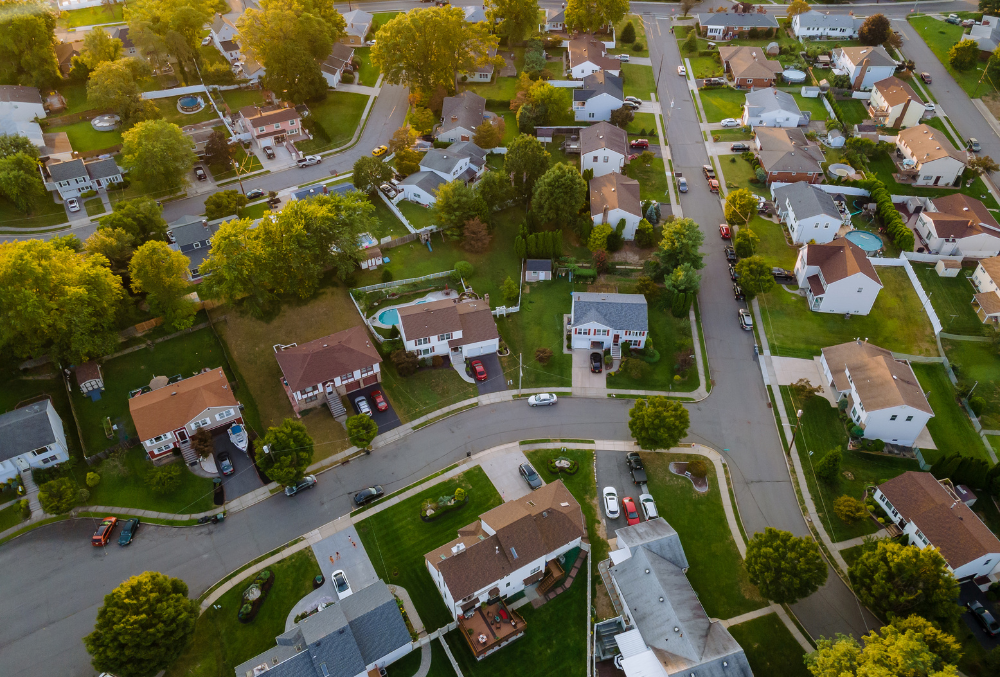
Why does The Geography of Radon change so much from place to place?
The Geography of radon can be confusing because radon is invisible and odorless. You cannot see it building up. You cannot taste it. Radon forms when uranium in rocks and soil breaks down over time. Some areas have more uranium in the ground. Some soils let gas move faster. Some rocks crack, creating pathways that help radon rise.
The Geography of Radon is also shaped by weather and homes. In cold months, people close windows and seal drafts. Warm air rises inside the house and can pull air from below. That pressure change can draw soil gas, including radon, into basements and lower floors.
In this article, you will learn what radon is and why it matters, how the radon zones map works, what EPA Radon Zone 1 means, and what patterns show up across the United States.
Before diving into specific regions and maps, it helps to understand why radon risk is not evenly distributed. Radon levels are influenced by conditions beneath the surface, including local rock types, soil permeability, and natural uranium content. But indoor radon is also influenced by human factors, such as home construction, ventilation, foundation design, and seasonal weather patterns. That is why some areas consistently show higher radon test results, while others appear lower risk on paper but still contain pockets of elevated exposure.
You will also get a focused section on radon risks in Arkansas and Missouri, plus a look at global radon hotspots. Then you will learn what to do next with testing and mitigation.
What is radon, and why is radon exposure a problem indoors?
Radon is a natural radioactive gas. It forms in the ground from the normal breakdown of uranium. Outside, radon spreads into the open air. Indoors, radon can become trapped and accumulate.
Radon enters buildings through small openings. That can be a crack in a slab, a joint where the wall meets the floor, gaps around pipes, sump pits, crawl spaces, or tiny holes in the foundation. Once radon gets inside, it can collect in low areas, especially when airflow is low.
Radon is linked to lung cancer. When you breathe radon, it breaks down into tiny radioactive particles. Those particles can get stuck in your lungs and damage cells over time. The risk grows with higher levels and longer exposure. People who smoke face an even higher risk, but radon can harm non-smokers too.
The tricky part is that you cannot guess radon by looking. A home can look clean and well-built and still test high. That is why testing is the only reliable way to know your risk.
What does “radon-prone” mean, and why is routine testing still needed?
A radon-prone area is a place where homes are more likely to have elevated radon. This is based on geology, soil, and past test data. It is a helpful warning sign that helps states plan public health programs. It helps builders decide where radon-resistant features should be common.
But radon does not follow county lines perfectly. Two homes in the same neighborhood can have very different radon levels. One home may have a tight slab with few openings. Another may have cracks, a sump pit, or a crawl space that lets radon in. Even changes in heating and ventilation can shift radon levels.
That is why routine testing still matters in every zone. Radon maps can point out higher-risk areas, but they cannot tell you what is happening in your living room. If you want a clear answer for your home, you need a test.
How do national radon risk maps like the EPA and USGS tools work?
Radon maps are built from large datasets. They often include indoor radon test results, local geology, soil types, and other factors tied to how radon forms and moves. In the U.S., the EPA radon zones map is one of the best known tools for the public.
These maps are designed for planning. They help show where elevated radon is more likely to occur. They support decisions about building codes, public outreach, and where to focus resources.
What the maps cannot do is predict radon levels in a single home. A map may say your county is lower risk, yet your home can still test high. A map may show your county is high-risk, yet your home might test low. The map gives context. The test gives the real answer.
How does the radon zones map classify risk?
The radon zones map groups counties into broad risk levels. In the EPA system, Zone 1 is the highest predicted potential, Zone 2 is moderate, and Zone 3 is lower. The zones are based on the share of homes in an area that are expected to test at or above a key threshold.
Zones help with awareness, but they are not a safety label. Zone 3 does mean no radon. It means lower predicted potential overall. A single home in Zone 3 can still have a high reading, especially if it has strong entry points or pressure conditions that pull soil gas into the home.
A smarter way to think about zones is this. Zone 1 means testing should feel urgent, and radon-resistant building practices make strong sense. Zone 2 means testing is still important, and high readings are common enough that you should not be surprised by them. Zone 3 means testing still matters because pockets of risk exist everywhere.
What is EPA Radon Zone 1, and why does it matter so much?
EPA Radon Zone 1 is the category for the highest predicted potential for elevated indoor radon. Many Zone 1 counties are on geology that can produce more radon or on soils that help radon move. Some areas also have long winters that keep homes closed up, which can increase indoor buildup.
Zone 1 matters because it indicates higher odds. It does not mean every home is unsafe. It does mean the chance of a high test is greater, so testing and mitigation planning should be taken seriously.
If you live in a Zone 1 county, it is also worth thinking about radon during home upgrades. A tighter home can reduce energy bills, but it can also trap indoor pollutants. Radon is one of those pollutants.
Which U.S. regions show the strongest radon patterns?
Across the United States, the Midwest and Northern Plains often stand out—many homes in that region test above the action level. Glacial soils, certain rock types, and common basement construction all play a role.
The Mountain states also show elevated radon in many communities. Rocky Mountain geology can include uranium-rich formations, and high-altitude weather can increase the stack effect and sealing habits. That combination can increase the risk of indoor radon.
The Northeast is another region where many communities are affected by radon. Older homes, basements, and long heating seasons can increase the likelihood of indoor buildup. Some areas also sit on rock types linked with higher radon potential.
At the same time, radon is not limited to these regions. Every state has homes with high radon. That is why the safest message stays the same. Test where you live.
What are the Radon Risks in Arkansas and Missouri?
Radon risks in Arkansas and Missouri can be easy to underestimate because people often focus on the Midwest or Mountain states first. But both states have areas where radon is a real concern, and testing is important, no matter what a map suggests for a broad region.
In Missouri, radon risk is often connected to limestone, karst features, and fractured ground. Karst is a type of landscape characterized by caves, sinkholes, and cracks that allow air to move through. When soil gas moves easily, radon can move too. Many Missouri homes also have basements or lower levels that increase contact with the ground and create entry points.
In Arkansas, radon risk can vary widely by location. Some areas have rock and soil conditions that support higher radon levels, while others have lower average radon levels. The key problem is the same as in other places. A home in a lower-looking area can still test high if the foundation has openings and the indoor air pressure pulls soil gas inside.
For both Arkansas and Missouri, the most important factor is that county-level labels do not protect your home. Testing is the only way to know your indoor level. If your home tests high for radon, mitigation systems are very effective and often reduce radon levels quickly. That means the risk is real, but it is also controllable with the right steps.
If you are buying or selling a home in Arkansas or Missouri, radon should be part of the conversation from the start. A test can prevent surprises later. If you already live there, testing now gives you a baseline. If you renovate, finish a basement, or replace HVAC equipment, retesting helps confirm that your indoor air quality remains safe.
How does soil uranium content and source rock shape radon levels?
Radon begins with uranium. Areas with uranium-rich rocks can produce more radon. Granites and some shales are often linked to higher radon potential. In some places, glacial deposits can spread materials over wide areas, creating radon-prone pockets far from the original rock source.
But uranium alone does not decide indoor levels. The ground also needs to move the gas. Sandy or fractured soils can move gases faster. Tight clay soils can slow movement, although pressure and moisture changes can still push gases toward openings.
This is why geology and soil work together. When a strong source meets strong pathways, radon potential rises.
How does regional geology change radon potential?
Geology can create natural routes for radon to move. Faults, fractures, and broken rock layers can act like highways for soil gas. In some regions, shallow bedrock and thin soil cover can make it easier for radon to reach the surface.
Overburden thickness matters too. A thick layer of soil or sediment can sometimes reduce movement, but it can also create channels depending on texture and moisture. Soil that drains well can allow more air flow, which can help radon travel.
The practical point is simple. Geology sets the stage. Your home decides how much radon gets inside. Cracks, sump pits, crawl spaces, and pressure differences are the bridge between outdoor geology and indoor air.
Why is Midwest radon prevalence so common?
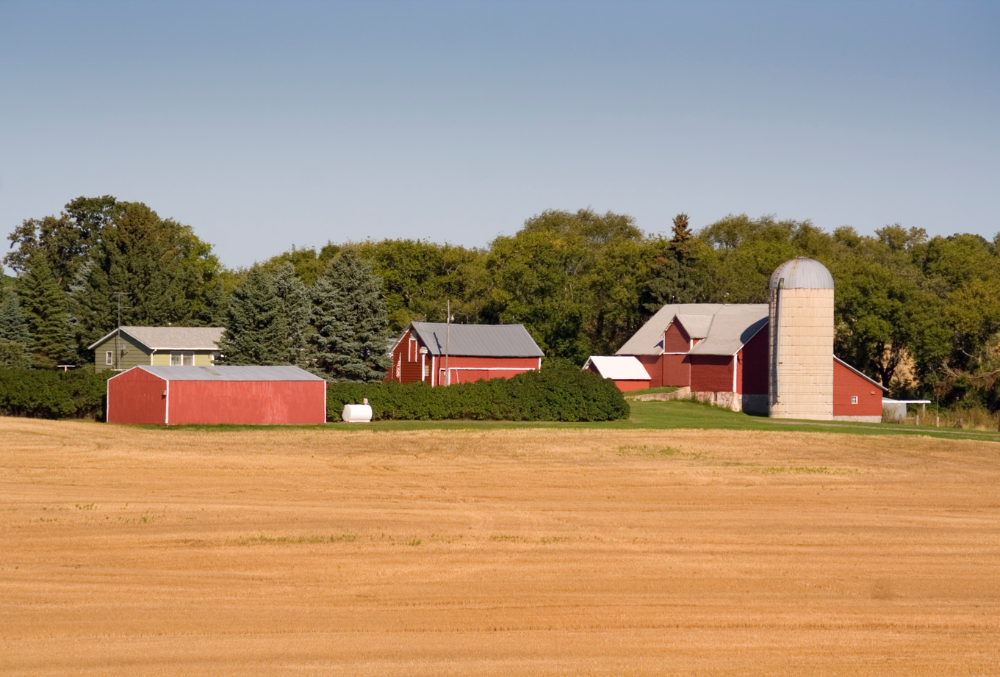
Midwest radon prevalence often comes down to a mix of soils and home styles. Many homes have basements. Many areas have soils that allow gas movement. Winters can be long, and homes stay closed up. That combination can raise indoor radon levels.
Warm air rises inside a heated home. This can create a suction effect at the bottom of the house, pulling soil gas in. If the home has entry points, radon can enter and stay trapped.
Even within the Midwest, risk is not uniform. Some counties have a high proportion of elevated test results. Others are mixed. That is another reason testing beats guessing.
Why can the radon risk in the Mountain states be higher than people expect?
Mountain states radon risk is shaped by both geology and building conditions. Some mountain regions are underlain by rock types associated with higher radon production. Homes in these areas often have basements or lower levels built into slopes, increasing ground contact.
Altitude and climate can also change indoor pressure. Higher elevations and longer heating seasons can increase pressure differences and the need for sealing. Those conditions can draw radon into a home and reduce the exchange of fresh air.
If you live in a mountain region and you weatherize your home, retesting is smart. Better insulation and tighter windows can improve comfort, but they can alter indoor air behavior in ways that affect radon levels.
Why does Northeastern U.S. radon show up so often in high-risk areas?
Northeastern U.S. radon risk is often associated with older housing stock, basements, and long heating seasons. Older foundations may have more gaps and joints. Basements increase contact with the ground and create more points of entry for radon.
Cold weather keeps homes closed up for long stretches. That can increase indoor buildup. In many communities, local rock types and soil conditions also contribute.
If you live in the Northeast, a single test is a good start. Long-term safety often means retesting over time, especially after basement work or HVAC changes.
Where are global radon hotspots found beyond the United States?
Global radon hotspots tend to occur in areas with uranium-rich geology, granitic uplands, and soils that facilitate gas movement. Parts of Europe report higher radon levels in certain regions, including areas associated with granite and older rock formations. Some areas also have building styles that increase indoor trapping, especially in colder climates.
In some parts of Asia and the Middle East, higher radon has been reported in areas with local geology that produces more radon. Construction style matters too. Homes with lower-level living spaces or limited ventilation can see higher buildup.
Across countries, the lesson is consistent. Geology matters, but indoor testing confirms risk.
How do building practices change radon levels inside homes?
Building practices can raise or lower radon risk. Basements and crawl spaces often have more openings and seams. Slab-on-grade homes can also have radon issues, especially if the slab cracks or if there are gaps around plumbing.
Radon-resistant new construction uses features that make it easier to vent radon before it enters living spaces. In existing homes, the most common proven fix for high radon is a mitigation system that pulls radon from below the foundation and vents it safely above the roof.
Sealing cracks can help support the system and reduce entry points, but sealing alone rarely solves a high radon problem. Radon is a gas. It finds a way. The reliable solution is to control pressure and vent it.
How do altitude and regional indoor air quality affect radon buildup?
Altitude can change how pressure works in and around a home. Warm air rising inside can create a vacuum at lower levels. This is often stronger during heating season. That can pull soil gas into the house, including radon.
Indoor air quality varies by region and can also be shaped by how tightly homes are built and how much fresh air they receive. Modern energy upgrades can reduce air leaks, which saves energy, but they can also trap pollutants if ventilation is poor. Radon is one of the leading reasons to keep testing on the radar after weatherization work.
What radon testing recommendations should homeowners follow?
Radon testing recommendations are simple. Test your home rather than guessing from a map. If you have never tested, start now. If you tested years ago, test again. If you finish a basement, change the HVAC system, replace windows, or do major sealing work, retest because radon levels can change.
Short-term tests give fast results. Long-term tests give a better average over time because radon can fluctuate with the seasons and weather. Many people begin with a short-term test and then confirm the results with a longer test if they are close to a key threshold.
Testing should be done in the lowest level you use regularly. That might be a finished basement. It might be a first floor if the basement is not used. The main goal is to understand the air you actually breathe day to day.
How do international radon guidelines and local building codes affect the next steps?
Different countries set different radon reference levels, but the intent is the same. Reduce long-term exposure to lower lung cancer risk. Guidelines also help shape building codes, testing programs, and professional standards.
Local laws can affect real estate and new construction. Some places require disclosures. Some require radon-resistant methods in certain areas. Even if your area has no special rules, you still have the power to test and fix high levels. Radon is dangerous, but it can be managed with proven systems.
Ready to act on The Geography of Radon in your own home?
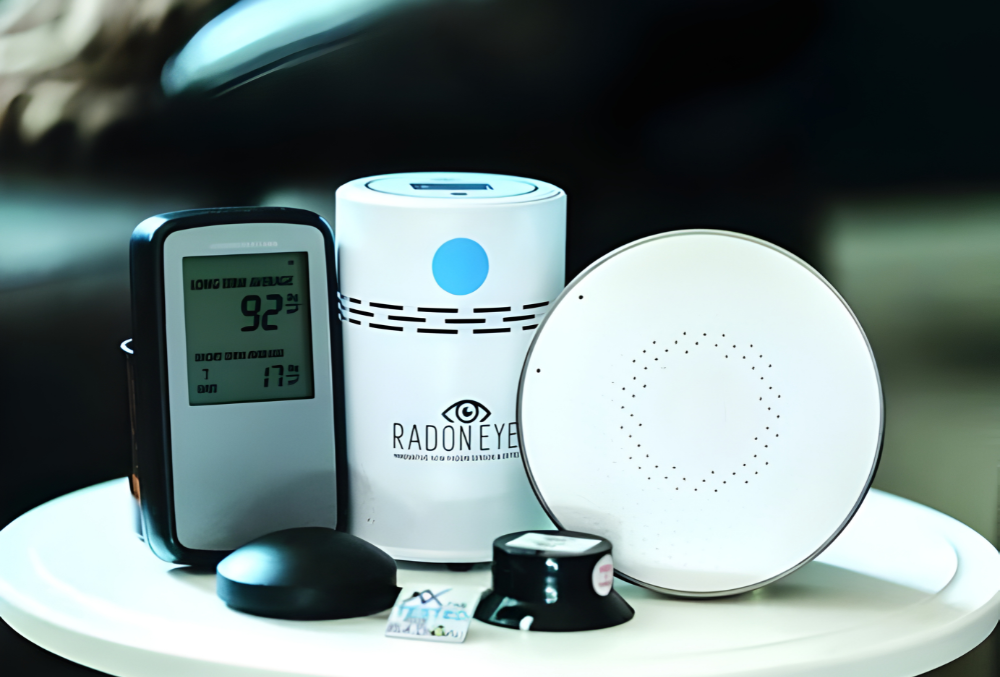
The Geography of Radon explains where risk tends to be higher, but your home’s test results matter most. Whether you live in Arkansas, Missouri, a Zone 1 county, or anywhere else, testing is the fastest way to move from guessing to knowing.
If you want help choosing the right test, understanding your results, or lowering your radon level with a proven mitigation system, contact us today to get more information. If you are buying or selling a home, book your appointment now to protect your family and avoid last-minute surprises.


