
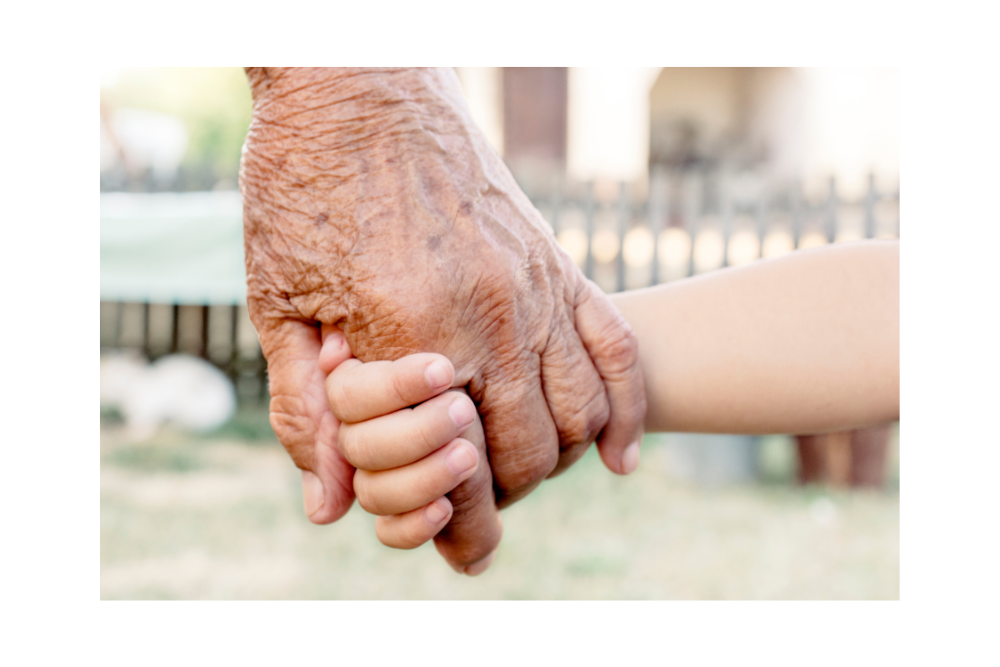
Vulnerable populations—older adults and children— can be extraordinarily affected by high radon levels.
Radon is a radioactive gas that you can’t see, smell, or taste but can be deadly. It comes from the natural breakdown of uranium in the soil and can seep into homes and buildings. Once inside, it can build up to dangerous levels, especially in spaces with poor ventilation.
Radon exposure is a significant health concern for everyone, but it is especially dangerous for older adults and children. Radon is the second leading cause of lung cancer after smoking; it affects children, older people, and low-income families the most.
What Are the Health Risks of Radon Exposure?
Radon exposure can cause serious health problems over time. When you breathe in radon, its radioactive particles get trapped in your lungs. This can damage your lung tissue and lead to diseases.
Can Radon Cause Lung Cancer?
Yes, radon is one of the leading causes of lung cancer. According to the World Health Organization (WHO), radon exposure accounts for up to 14% of all lung cancer cases worldwide. High radon levels in your home can significantly increase your risk even if you don’t smoke. For smokers, the combination of smoking and radon exposure is even more dangerous.
Does Radon Contribute to Childhood Leukemia?
Research shows that radon exposure may increase the risk of childhood leukemia. Children are more vulnerable because their bodies are still growing, and their cells divide more quickly. Studies suggest that kids living in homes with high radon levels are more likely to develop leukemia compared to those in lower-radon environments.
What About COPD and Other Respiratory Diseases?
Long-term radon exposure can also worsen conditions like chronic obstructive pulmonary disease (COPD), asthma, and bronchitis. People with pre-existing respiratory issues or weaker immune systems are especially at risk. Radon may not directly cause these diseases but can worsen symptoms.
Why Are Children More Vulnerable to Radon?
Children are more sensitive to radon for several reasons:
- They breathe faster than adults, which means they inhale more air and radon particles per minute.
- Their lungs are smaller and more vulnerable to damage.
- They spend much time indoors, where radon levels are often higher.
Protecting children from radon exposure is critical, as early exposure can have lifelong effects.
How Does Radon Affect the Elderly?
Older adults face unique risks from radon exposure:
- They often have pre-existing health conditions that make their lungs more fragile.
- Long-term radon exposure accumulates over a lifetime, increasing their overall risk.
- Many older adults live in older homes that may have structural issues allowing radon to seep in.
For the elderly, even low to moderate radon levels can pose a significant health risk.
Does Radon Exposure Disproportionately Affect Low-Income Families?
Radon exposure often impacts low-income families more than others. Here’s why:
- Older homes in low-income areas may have cracks in the foundation or outdated ventilation systems that let radon in.
- Testing for radon and installing mitigation systems can be expensive, and many families can’t afford it.
- Areas near mining operations or with certain geological features may naturally have higher radon levels.
This is an environmental justice issue. Low-income families face higher risks and fewer resources to address them.
How Can You Test for Radon?
The only way to know if radon is a problem in your home is to test for it. Testing is simple and affordable. You can buy a radon test kit online or at a hardware store or hire a professional to test your home.
- Place the test kit on the lowest level of your home where people spend time, such as the basement or first floor.
- Follow the instructions carefully to ensure accurate results.
- If the test shows radon levels above 4 picocuries per liter (pCi/L), take action to lower them.
How Can You Reduce Radon Levels in Your Home?
If your home has high radon levels, there are effective ways to lower them:
- Install a radon mitigation system, such as a sub-slab depressurization system. This system vents radon from beneath your home to the outside.
- Seal cracks in your foundation and around pipes to reduce radon entry points.
- Increase ventilation in basements and crawlspaces to help dilute radon concentrations.
Reducing radon levels protects your family’s health and increases your home’s safety and value.
What Public Policies Can Help Reduce Radon Exposure?
Radon is a public health issue, and governments can help by:
- Requiring radon testing during real estate transactions.
- Offering subsidies or financial assistance for radon mitigation systems in low-income households.
- Running awareness campaigns to educate the public about radon risks and solutions.
Community-wide efforts can make a big difference in reducing exposure, especially for vulnerable populations.
Why Is Radon Awareness So Important?
Many people don’t think about radiation as a hidden danger. However, its health impacts are severe, especially for children, older people, and those living in areas with naturally high levels. Regular testing, effective mitigation, and greater public awareness can save lives.
You can protect your family and your community by taking simple steps to test for radon and reduce exposure. Let’s make radon safety a priority for everyone. Contact us today.


