What Every Missouri Homeowner Should Know
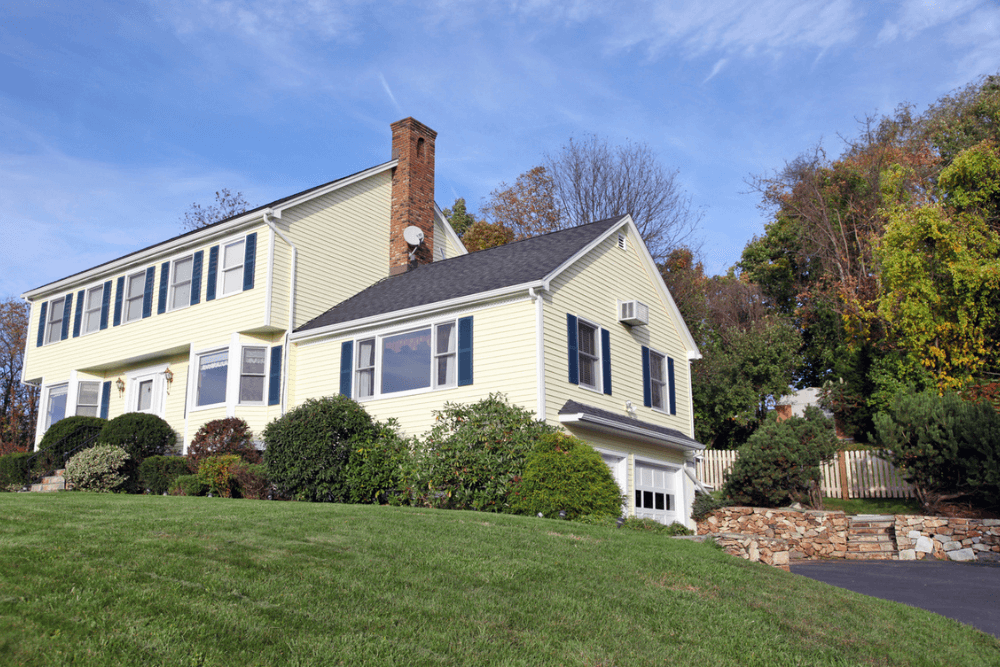
Radon mitigation in Missouri is a system or method used to reduce the presence of dangerous radon gas inside homes. Radon is a colorless, odorless gas that can build up indoors and increase the risk of lung cancer. Mitigation helps protect your health by safely venting radon from beneath the home and keeping it out of the air you breathe.
If your home has high radon levels, mitigation is the most effective way to reduce them. Many homes in Missouri—especially in Southwest Missouri—test above the EPA’s recommended safe levels. Whether you live in a house with a basement, crawlspace, or slab foundation, a radon reduction system can significantly improve air quality and long-term safety.
This article explains how radon mitigation systems work, their cost, the types available, and why they are so important. You’ll also learn about testing, fan installation, and maintenance. Understanding these basics can help every Missouri homeowner make smart decisions about radon safety.
How Do Radon Mitigation Systems Work?
Radon reduction systems work by preventing radon gas from entering your home. The most common method is sub-slab depressurization. This system creates a vacuum below the foundation, pulling radon away before it can rise into living areas.
A vent pipe and fan work together to move radon from under the home to the outside. The fan runs continuously, helping to maintain lower pressure beneath the slab. This prevents radon from flowing into your basement or rooms.
If you have a sump pump, it can be sealed and integrated into the system. The goal is always the same—redirect radon before it can collect indoors.
What Is the Role of Sealing and Crawlspace Venting?
Sealing cracks in your foundation helps support the central system. It blocks some of the pathways radon might use to enter your home. However, sealing by itself won’t reduce radon to safe levels. It should always be combined with active venting.
Homes with crawlspaces need special care. A plastic sheet can be placed over the dirt floor, and a pipe system can pull air from below that layer to the outdoors. This is known as sub-membrane depressurization and is effective in many crawl space homes.
Simply opening vents in crawl spaces may not provide much help. Active systems are more reliable and consistent in maintaining low radon levels.
What’s the Difference Between Active and Passive Systems?
There are two main types of radon mitigation systems: active and passive. Active systems include a vent pipe and an electric fan. They pull radon from beneath the home and vent it out.
Passive systems use only a vent pipe. These are often installed in new homes as a preventive step. They depend on natural air movement and pressure to disperse the gas.
Active systems are more effective, especially in homes with known radon problems. They can reduce radon by up to 99 percent. Passive systems are helpful, but they usually lower radon by only 30 to 70 percent.
Where Is the Radon Fan Installed?
The radon fan is the most essential part of an active system. It keeps the air moving from beneath your home to the outside. The fan is usually installed in the attic, garage, or outside wall—somewhere it won’t bother your living space.
These fans are quiet and energy efficient. They run all day and night, using about as much electricity as a bathroom fan. Keeping the fan in a dry, protected area helps it last longer and work more reliably.
What Are the EPA Guidelines for Radon Mitigation?

The EPA recommends fixing your home if your radon level is 4.0 picocuries per liter or higher. Some health experts suggest acting even at a level of 2.7 or above.
All systems should meet EPA or ANSI standards. These rules help make sure the systems are installed correctly and work safely. New homes should follow radon-resistant building methods. That includes gravel under the slab, a plastic sheet barrier, a vent pipe, and space for a future fan.
These design features help protect homeowners before problems begin.
What Should You Do After Installing a Radon System?
Once your system is installed, it’s very important to test again. This confirms that the radon level has dropped to a safe number. Short-term tests can be done 48 hours after installation. Long-term tests are more accurate over time.
Experts recommend testing your home every 2 to 5 years, even after mitigation measures have been taken. You should also retest after remodeling or making significant changes to your foundation or ventilation system.
Keeping track of your radon levels over time is one of the best ways to protect your family’s health.
How Much Does a Radon Mitigation System Cost?
In Missouri, the cost for a radon mitigation system usually ranges from $800 to $2,500. Most systems cost around $1,500, but prices can increase for larger homes or complex layouts.
Exceptional work, such as crawlspace sealing or complex piping, may increase the cost. Operating the system is cheap—just the cost of running the fan, which uses very little electricity.
The cost of prevention is small compared to the potential cost of health issues from long-term radon exposure.
What Kind of Maintenance Is Needed?
Radon mitigation systems are easy to maintain. Most of the time, you only need to verify that the fan is running and that any warning lights or alarms are functioning properly.
You should inspect the system periodically to ensure no damage has occurred. The radon fan usually lasts 5 to 10 years. Some fans come with warranties, and replacements are fairly simple to install.
Regular testing is the most crucial aspect of system maintenance.
Should You Do It Yourself or Hire a Pro?
Some handy homeowners may choose to install a system themselves. This is more common in homes with simple basements or slab floors. But radon mitigation is not a basic DIY project. If installed incorrectly, the system may not function properly—or at all.
Professionals are trained to design and install systems that comply with safety regulations and local codes. They can also provide testing and long-term support. The EPA recommends using a certified radon mitigation contractor.
The peace of mind from a pro is worth it for many families.
What About Radon When Buying or Selling a Home?
In real estate deals, radon testing is often part of the home inspection process. If high levels are found, mitigation may be required before closing.
Many states require sellers to report known radon levels. It is a good idea to ask about past radon tests when buying a home. A working mitigation system can even be a selling point.
Protecting future owners is just as important as protecting yourself.
Why Is Radon Mitigation Important for Health?
Long-term exposure to radon increases the chance of developing lung cancer. You may not feel sick now, but years of breathing in radon can lead to serious health problems later.
Mitigation systems can reduce radon levels to safe levels and mitigate that risk. Regular testing, system maintenance, and informed choices all play a role in keeping your family safe.
Missouri homes are at higher risk, so taking action is wise and necessary.
Want to know if your home is safe? Schedule your radon test today or contact a certified radon mitigation expert for a quote. Don’t wait—protect your health now.


