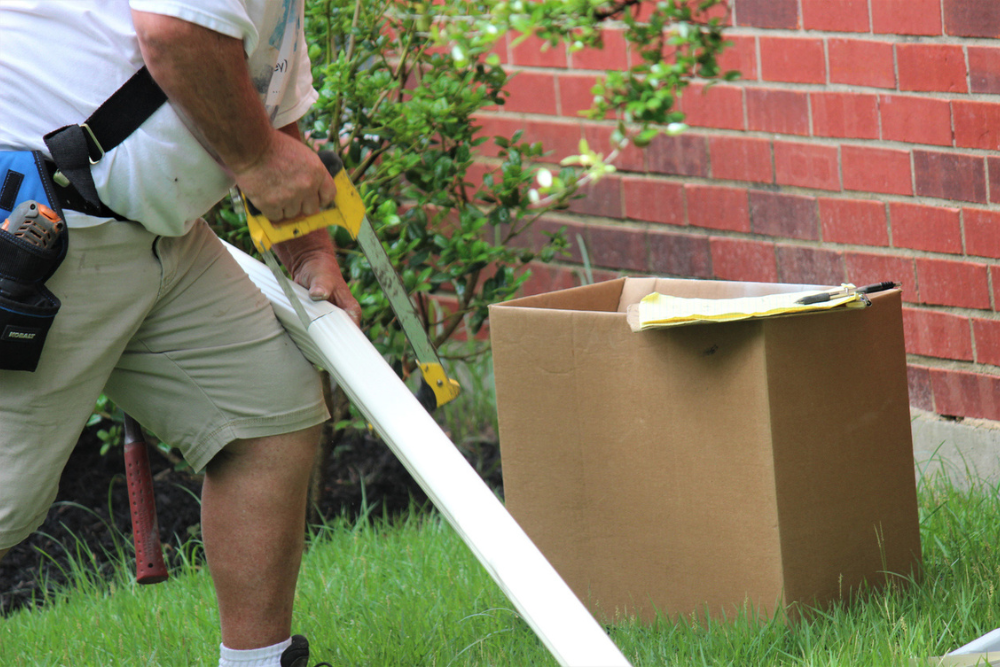
DIY radon mitigation might seem like a cost-effective way for Missouri and Arkansas homeowners to take immediate action against high radon levels. Common DIY methods include sealing cracks in the foundation, installing radon fans, improving ventilation, or placing vapor barriers in crawl spaces.
However, while these strategies can help reduce radon levels, their effectiveness depends heavily on proper installation and a clear understanding of how radon gas moves through soil and into buildings.
In this article, we compare DIY radon mitigation to professional radon mitigation, highlighting the risks, challenges, and benefits of each approach. You will learn why the EPA and radon experts recommend certified contractors for reliable results, and how improper installation can create health and safety risks.
What Are the Risks of DIY Radon Mitigation?
DIY radon mitigation comes with several risks that homeowners should carefully consider before attempting a project on their own. One of the biggest challenges is technical accuracy. Improper pipe placement or incorrect fan installation can make the system ineffective, leaving radon levels dangerously high indoors.
Another major risk is backdrafting. This occurs when air pressure changes cause radon or even other harmful gases to be pulled back into the home instead of vented outside. Homeowners without experience in pressure diagnostics may not realize this is happening until it’s too late.
Soil type and foundation design also play a major role in system effectiveness. Without professional knowledge, it can be difficult to design a system that works well under specific sub-slab conditions. Many DIY systems also fail to meet local building codes or EPA standards, which may cause legal issues or complications during a home sale.
Finally, DIY systems lack warranties, professional guarantees, and long-term monitoring support. This means homeowners are responsible for testing radon levels, maintaining the fan, and making adjustments over time without expert guidance.
How Do Professional Radon Mitigation Systems Work?
Professional radon mitigation contractors are trained and certified to install systems that comply with EPA and state regulations. The most common method is sub-slab depressurization, which involves creating a suction pit under the home, installing PVC piping, and attaching a radon fan that vents gas safely above the roofline.
Certified contractors also use pressure field diagnostics to measure how well suction will travel under the foundation. This ensures the system is properly sized and designed for the specific home. Unlike DIY methods, professional systems come with warranties, expert guidance, and long-term monitoring solutions.
Some professional installations also integrate with sump pumps or crawl space membranes, making them more adaptable to unique foundations and complex layouts.
Why Do Professionals Recommend Certified Contractors?
The EPA and radon industry experts recommend hiring certified contractors because they provide accurate testing, efficient system design, and safe installation. Professional systems are designed to last, with many fans operating for years before needing replacement. Contractors also provide documentation, which is valuable for real estate transactions where buyers expect proof of safe radon levels.
Hiring a certified professional reduces the risk of health hazards, ensures compliance with codes, and delivers peace of mind. While professional installation costs more than DIY, the investment pays off with reliability, safety, and home resale value.
Is DIY Radon Mitigation Ever a Good Option?
DIY radon mitigation may be effective in very simple cases, such as sealing visible cracks or improving natural ventilation. However, most homes with elevated radon levels need a full mitigation system to reduce radon below the EPA action level of 4.0 pCi/L. For these situations, professional installation is generally the safer and more effective choice.
Homeowners attempting DIY mitigation should be well-informed, cautious, and prepared for ongoing adjustments or even eventual professional intervention. For long-term health protection and property value, hiring a certified contractor remains the recommended path.
Why is Professional Mitigation the Safer Investment?
DIY radon mitigation can lower costs in the short term but comes with substantial risks. Improper installation can leave families exposed to radon, create safety hazards, and hurt resale value if buyers distrust a DIY system. Professional radon mitigation offers safer, more reliable, and longer-lasting results, backed by testing, warranties, and compliance with EPA standards.
For homeowners in Missouri and Arkansas, professional radon mitigation is the smarter investment in both health and home value. Contact a certified contractor today to schedule a radon test or request a mitigation quote. Protect your family and enjoy peace of mind knowing your home’s air is safe.


