How Does Radon Gas Affect Your Indoor Air Quality?

Indoor air quality is something most people never think about until a problem shows up. You spend most of your time inside your home, your office, or your kids’ school. But what if the air you are breathing every day contains a dangerous, odorless pollutant you cannot see, smell, or taste? That pollutant is radon gas, and it could be lurking in your home right now.
Radon is a naturally occurring radioactive gas that forms when uranium in soil and rock breaks down over time. It seeps up through the ground and can enter your home through tiny cracks in your foundation, gaps around pipes, and other openings. Once inside, radon gets trapped and builds up to levels that can seriously harm your health. The scary part is that you would never know it was there without proper testing.
The connection between indoor air quality and radon gas is one that every homeowner should understand. Radon is actually the second leading cause of lung cancer in the United States, right behind smoking. The Environmental Protection Agency estimates that radon causes about 21,000 lung cancer deaths each year. That is a staggering number for a problem that most people have never even heard of.
In this article, we are going to walk you through everything you need to know about radon and your indoor air quality. We will cover how radon enters your home, what health risks it poses, how you can test for it, and what ventilation mitigation options are available to keep your family safe. Whether you have never heard of radon before or you are already concerned about your home, this guide will give you the information you need to take action.
What Exactly Is Radon Gas and Where Does It Come From?
Radon is a radioactive gas that you cannot detect with your senses. It has no color, no smell, and no taste. It forms naturally in the earth when uranium breaks down in soil, rock, and water. This process has been happening for millions of years, and radon is present in outdoor air at very low levels that are not harmful.
The problem starts when radon moves from the soil into enclosed spaces like your home. Because radon is a gas, it travels easily through small spaces in the ground. It rises up through the soil and finds its way into buildings through soil seepage. Any home, whether old or new, can have elevated radon levels. It does not matter what type of foundation you have or where you live. Radon has been found in homes in all 50 states.
Once radon enters your home, it can accumulate to dangerous concentrations. Outdoor air dilutes radon quickly, but indoor spaces trap it. This is why indoor air quality testing for radon is so important. You simply cannot know your radon level without a test.
How Does Radon Sneak Into Your Home Through Building Cracks?
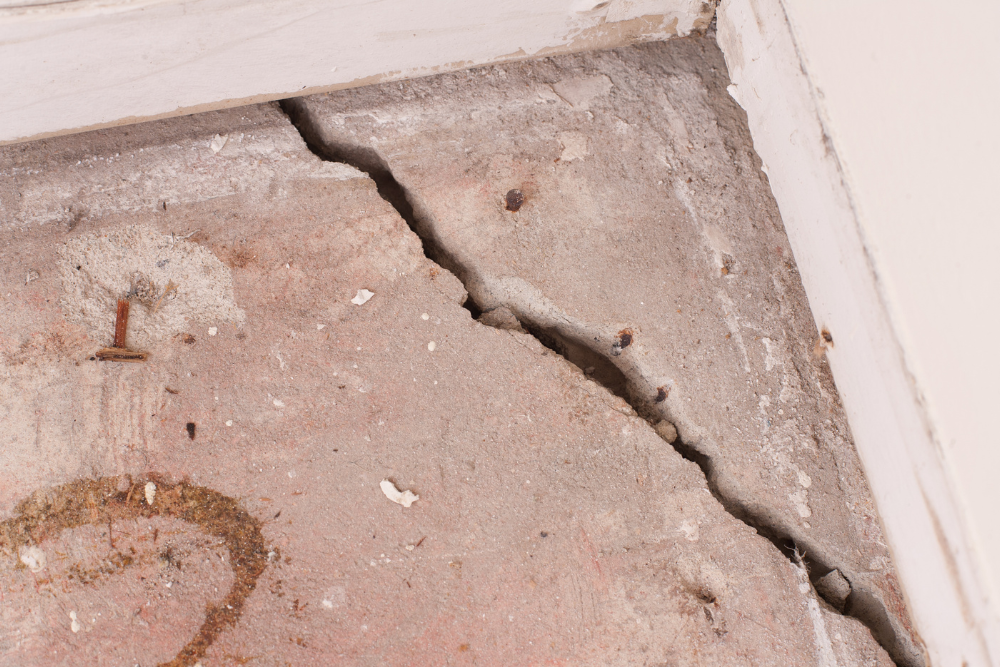
You might wonder how a gas from the ground gets inside a sealed building. The truth is that no home is perfectly sealed. Radon finds its way in through building cracks in your foundation, gaps around service pipes, construction joints, and even small pores in concrete block walls. If your home has a sump pump, that opening can also be a pathway for radon to enter.
The driving force behind soil seepage is actually pretty simple. Your home acts almost like a vacuum at the lower levels. Warm air rises inside your house, and as it does, it creates a slight negative pressure near the ground floor and basement. That pressure difference pulls soil gases, including radon, up through any available opening. This effect gets even stronger during colder months when your heating system is running, and windows are closed.
Homes with basements and crawl spaces tend to have higher radon levels because they have more contact with the soil. However, slab-on-grade homes are not immune. Radon can still move through tiny cracks in the concrete slab that you might not even notice. Water from private wells can also carry dissolved radon into your home, releasing it into the air when you shower, wash dishes, or do laundry.
What Are the Health Risks of Radon Exposure?
The health risks of long-term radon exposure are serious and well-documented. When you breathe in radon, the gas itself passes through your lungs without much harm. But radon breaks down into tiny radioactive particles called decay products. These particles can get trapped in your lung tissue. Over time, they damage the cells lining your lungs, and that damage can eventually lead to lung cancer.
Radon is the number one cause of lung cancer among people who have never smoked. For people who do smoke, the combination of radon and cigarette smoke creates an even greater risk. The two hazards multiply each other rather than simply adding together. That means a smoker living in a home with high radon faces a much higher chance of developing lung cancer than either risk factor alone would suggest.
There are no immediate symptoms of radon exposure. You will not cough, sneeze, or feel dizzy. The damage happens slowly over years of breathing contaminated air. By the time lung cancer is detected, it is often at an advanced stage. This is exactly why radon is sometimes called a silent killer. The only way to protect yourself from these health risks is to test your home and take action if levels are high.
How Can You Test Your Home for Radon Gas?
Testing your home for radon gas is easy, affordable, and the single most important step you can take to protect your indoor air quality. You have a few options depending on how quickly you want results and how accurate you need them to be.
Short-term testing kits are the fastest way to get a snapshot of your radon levels. These kits typically sit in the lowest livable area of your home for two to seven days. After the testing period, you mail the kit to a lab for analysis. You can find these testing kits at most hardware stores, and some state radon programs even offer them for free or at a reduced cost.
Long-term testing kits measure radon over a period of 90 days or more. Because radon levels can change with the seasons, weather, and how you use your home, a long-term test gives you a more accurate picture of your year-round average exposure. This type of test is especially helpful if your short-term results come back near the EPA action level.
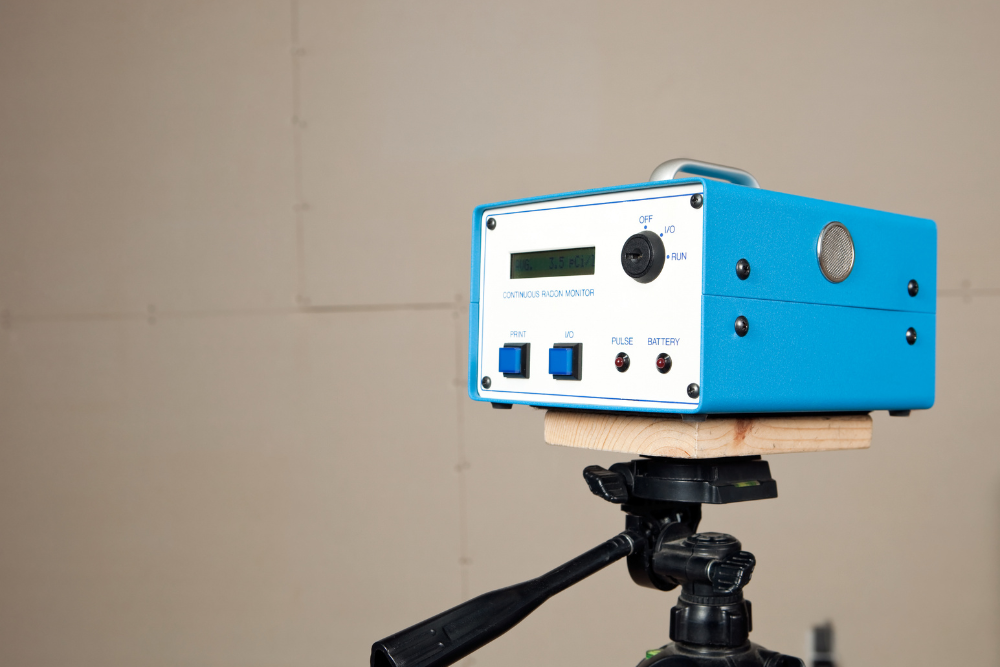
The EPA guidelines recommend that you take action if your radon level is at or above 4 picocuries per liter of air. Even levels between 2 and 4 picocuries per liter are worth addressing because there is no truly safe level of radon exposure. For the most reliable results, consider hiring a certified radon professional to conduct the test. They use calibrated equipment and follow strict protocols to ensure accuracy.
What Ventilation Mitigation Options Can Lower Radon Levels?
If your test results show elevated radon, do not panic. Ventilation mitigation systems are highly effective at reducing radon levels in your home, often by up to 99 percent. The most common and reliable method is called active soil depressurization.
Active soil depressurization works by installing a pipe through the foundation slab or into the crawl space beneath your home. A small fan attached to the pipe creates suction that pulls radon from the soil before it can enter your living space. The gas is then vented safely above the roofline, where it disperses harmlessly into the outdoor air. This system runs continuously and quietly, and it typically costs very little to operate each year.
Another approach involves improving your home’s ventilation to dilute indoor radon concentrations. Heat recovery ventilators and energy recovery ventilators bring fresh outdoor air into your home while capturing heat from the outgoing air. These systems improve your overall indoor air quality while also helping to reduce radon levels. They work especially well in tightly sealed, energy-efficient homes where natural air exchange is limited.
Sealing building cracks and openings in your foundation can help as a supporting measure, but sealing alone is rarely enough to solve a radon problem. The EPA guidelines are clear that sealing should be combined with an active ventilation mitigation system for the best results. A qualified radon mitigation professional can assess your home and recommend the right solution for your specific situation.
Do Air Purifiers Help With Radon Gas?
This is a question that comes up a lot, and the answer might surprise you. Air purifiers can help capture some of the radioactive decay products that radon produces, but they do not remove the radon gas itself from your air. That is an important distinction.
HEPA-based air purifiers can filter out the tiny particles that radon creates as it breaks down. Reducing these particles in your air may lower your exposure to some degree. However, air purifiers should never be considered a substitute for a proper ventilation mitigation system like soil depressurization. They are best used as an extra layer of protection alongside a proven radon reduction method.
If you are concerned about your overall indoor air quality, an air purifier can certainly help with dust, allergens, and other pollutants. But when it comes to radon gas specifically, the most effective solution is always to stop the gas from entering your home in the first place. That means addressing the source through professional mitigation rather than trying to clean the air after radon is already inside.
Why Do Radon Awareness Months Matter for Homeowners?
January is National Radon Action Month, and it exists for a very good reason. Despite the serious health risks radon poses, many homeowners have never tested their homes. Awareness months help spread the word about this odorless pollutant and encourage people to take that simple first step of testing.
During awareness months, many state and local health departments offer free or discounted testing kits. Community events, school programs, and media campaigns help educate people about the dangers of radon and the easy steps they can take to protect their families. These efforts save lives by catching high radon levels in homes that might otherwise go untested for years.
You do not have to wait for a special month to take action, though. Any time is a good time to test your home for radon. If you have never tested, or if it has been several years since your last test, now is the perfect time to find out where you stand.
Ready to Protect Your Indoor Air Quality From Radon Gas?
Radon is a serious health risk, but it is also a problem with a proven solution. Testing is simple, mitigation is effective, and the peace of mind that comes from knowing your family is breathing safe air is priceless. Do not wait for symptoms that may never come until it is too late.
If you are concerned about radon in your home or you are ready to take the next step, the team at Radon Company is here to help. Whether you need professional testing, a customized ventilation mitigation system, or just want expert advice about your indoor air quality, we have the experience and knowledge to guide you through the process. Contact us today to book your appointment and start breathing easier.


