The Invisible Danger in Your Missouri Home
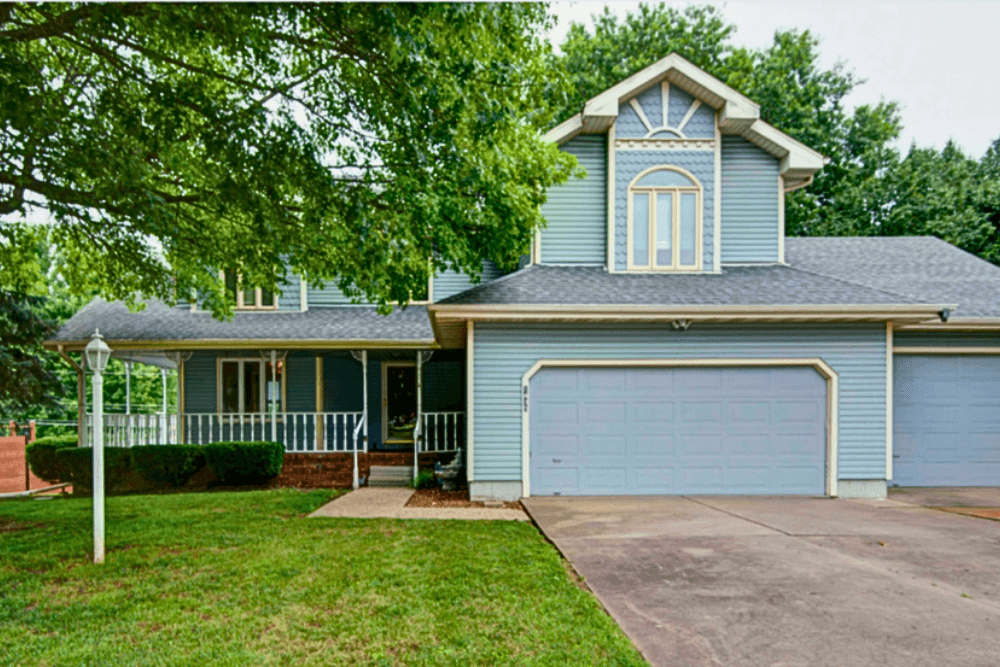
Radon is a radioactive gas that can enter your home without any warning. It has no smell, no color, and no taste. Because it originates from the natural breakdown of uranium in soil and rock, radon can be found in homes throughout Missouri, including those in Southwest Missouri. The danger is that radon gets trapped inside your home and builds up to unsafe levels.
This invisible gas can harm your health without you even knowing it’s there. Lung cancer is the biggest risk from radon exposure, and it’s the second leading cause of lung cancer in the United States. Many people do not realize that radon is a problem in their area until it is too late.
This article will explain what radon is, how it gets into your home, why it is a problem in Missouri, and how to protect your family. You will learn how to test for radon, what to do if your levels are high, and how to keep radon from becoming a long-term health threat.
Suppose you live in Missouri or the Southwestern Part of Missouri. In that case, being aware of radon is one of the most important things you can do to maintain healthy indoor air.
What Is Radon and Where Does It Come From?
Radon is a gas that forms naturally when uranium breaks down in the soil, rock, and water below us. As uranium decays, it turns into radon, which can rise up through the ground and enter homes through cracks in the foundation or other openings.
Because it is radioactive, radon releases small particles that can damage lung tissue when inhaled. These particles are what cause health problems over time. Although radon originates from the earth, it becomes hazardous only when it accumulates in indoor spaces.
You cannot see or smell radon, so testing is the only way to know if it is in your home. All types of homes can have radon, whether they are new or old, have basements or crawlspaces.
How Common Is Radon in Missouri and Southwest Missouri?
Radon is found in every county in Missouri. Some areas have higher levels than others, but no home is guaranteed to be safe without testing. Local data indicate that approximately one in three homes tested in Missouri have radon levels exceeding the Environmental Protection Agency’s considered safe levels.
The average radon level in Missouri is 4.3 picocuries per liter. That number is above the EPA’s action level of 4.0. Homes in Southwest Missouri are especially at risk because of the region’s geology and soil composition.
Even homes without basements can have high radon levels. The gas can still enter through slab floors or crawlspaces. The type of foundation your home has will affect how radon enters, but not whether it can.
Why Is Indoor Air Quality Important in Missouri?
Most Missourians spend nearly 90 percent of their time indoors. That means the quality of your indoor air has a significant effect on your health. Poor indoor air quality can contain dust, chemicals, mold, and gases such as radon.
Since radon builds up indoors, where airflow is limited, it can reach levels that are not safe. Many people attempt to improve indoor air quality with air purifiers, but radon requires a different type of solution.
Keeping your indoor air clean and safe is one of the best things you can do for your long-term health. Testing for radon is a simple and affordable step to take.
What Are the Health Risks of Radon Exposure?
Radon is dangerous because of the health effects that occur when you breathe it in. As radon breaks down, it creates radioactive particles. These particles can adhere to the inner walls of your lungs and damage the cells there. Over time, this damage can lead to lung cancer.
Radon is the second leading cause of lung cancer in the United States and the top cause among people who do not smoke. The risk is even higher if you smoke and live in a home with high radon levels.
Around 21,000 lung cancer deaths in the U.S. every year are linked to radon. That is why health experts recommend testing for radon even if you feel healthy and your home seems safe.
How Does Radon Get Into Your House?
Radon gas rises from the ground and can slip through tiny openings in your home’s foundation. It enters through cracks, construction joints, crawlspaces, sump pump holes, and gaps around pipes.
Once radon is inside, it can get trapped, especially in basements or lower levels where there is less airflow. Even well-sealed and energy-efficient homes are not immune to this issue.
Because radon comes from the soil, the risk depends on local ground conditions. However, any home, regardless of its location or construction, can have high radon levels.
How Do You Test for Radon in Your Home?
Testing is the only way to know if radon is in your home. You can buy a test kit or hire a professional. Short-term test kits take between 2 and 90 days and are placed in the lowest level of your home. Long-term tests stay in place for over 90 days.
You can often obtain free or low-cost test kits from your state health department or the American Lung Association. Digital radon monitors are also available for those who want continuous readings.
Professional radon testers utilize specialized tools to obtain more accurate results. They can also assist you if you require follow-up testing or are buying or selling a home.
What Can You Do If Radon Levels Are High?
If your radon level is higher than 4.0 picocuries per liter, the EPA recommends fixing the problem. Even levels as low as 2.0 can be risky over time. A certified radon mitigation contractor can help reduce radon to a safe level.
The most common fix is a sub-slab depressurization system. This system utilizes a pipe and fan to draw radon from beneath your home and release it outside before it can enter.
Sealing cracks in your foundation can help, but it is not enough on its own. Ventilating your home may lower levels slightly, but in most cases, a proper mitigation system is needed.
What Are Radon-Resistant Construction Techniques?
If you are building a new home, you can include radon-resistant features from the start. These include gas-permeable layers under the slab, plastic sheeting, sealed openings, vent pipes, and fan-ready junction boxes.
These features are recommended by both the EPA and the Missouri Department of Health. Adding them during construction is cheaper than fixing a radon problem later. Builders across Missouri are increasingly incorporating these options.
If you are planning a new build, ask your contractor about incorporating radon-resistant design features.
What Are the EPA’s Guidelines for Radon?
The EPA’s action level is 4.0 picocuries per liter. If your home tests at or above this level, you should take action to reduce it. Some health experts say that even a reading of 2.0 to 2.7 is a reason to consider fixing the issue.
You should test for radon every 2 to 5 years, after major home renovations, or when buying or selling a home. Missouri offers lists of certified radon contractors and testing programs to help homeowners.
The best time to act on radon is before it becomes a serious health problem. Testing and mitigation are both widely available and affordable.
What Can You Do to Lower Radon Risk in Your Missouri Home?
Start by testing your home with a certified radon test kit. If levels are high, call a certified radon mitigation contractor to install a system that pulls gas out before it enters your home.
You can also seal cracks, keep your basement well-ventilated, and ensure that crawlspaces are adequately covered. If you are building a new home, ask your builder about radon-resistant construction features.
Continue testing every few years to ensure levels remain low. Radon can reappear if your foundation shifts or new cracks develop.
Why Should You Take Radon Seriously?
Radon is a hidden danger that affects homes across Missouri. Because it cannot be seen or smelled, it is easy to ignore. However, long-term radon exposure is one of the most significant environmental health risks we face today.
Testing is easy, and fixing high levels is possible. You do not need to wait for symptoms to take action. Protect your health and that of your family by learning about radon and staying vigilant.
Contact us today to schedule a radon test, ask about mitigation options, or obtain a quote for radon-resistant construction. Your health is worth it.


