Why Is Radon Mitigation for Schools and Commercial Buildings So Important?

Radon mitigation for schools and commercial buildings is a critical step in protecting the health of students, staff, and building occupants. Radon is a colorless and odorless radioactive gas that can seep through the ground and enter buildings through cracks in foundations. Because it cannot be seen or smelled, it often goes unnoticed unless testing is performed.
Radon exposure is the second leading cause of lung cancer in the United States. When people breathe in radon over time, radioactive particles can damage lung tissue. This risk is particularly high in buildings where people spend many hours each day, such as schools, offices, and commercial facilities.
This concern is especially important in Missouri and Arkansas, where soil composition and rock formations can allow radon gas to move through the ground and enter buildings. Public buildings with ground-contact areas may be especially vulnerable to elevated radon levels.
Radon mitigation for schools and commercial buildings helps identify dangerous radon levels and reduce them to safe levels. Testing, mitigation systems, and regular monitoring work together to create safer indoor environments. These steps protect health and also help organizations meet regulatory requirements and safety standards.
In this guide, we will explain why radon matters in public buildings, how radon testing works, and what mitigation systems are most effective. We will also discuss EPA guidelines, building policies, and long-term management strategies that keep radon levels under control in schools and commercial facilities across Missouri and Arkansas.
Why Does Radon Matter in Schools and Commercial Buildings?
Radon can build up inside buildings when it enters through the soil beneath foundations. Once inside, it becomes trapped in enclosed spaces such as classrooms, offices, and storage areas. Poor ventilation and older building designs can allow radon to accumulate over time.
Schools are especially important places to monitor radon levels. Children spend many hours each day inside classrooms. Their lungs are still developing, which may make them more sensitive to environmental hazards. Protecting indoor air quality in schools helps protect long-term health.
Commercial buildings also face risks. Office workers, retail staff, and visitors may spend large portions of their day indoors. Long-term exposure to high radon levels can increase health risks for everyone who occupies the building.
These concerns apply to public buildings nationwide, including schools and commercial facilities across Missouri and Arkansas, where radon testing programs help monitor indoor air quality.
Radon mitigation for schools and commercial buildings helps reduce these risks before they become serious problems. When administrators take proactive steps, they create safer environments and demonstrate a commitment to public health and safety.
How Does Radon Enter Schools and Commercial Buildings?
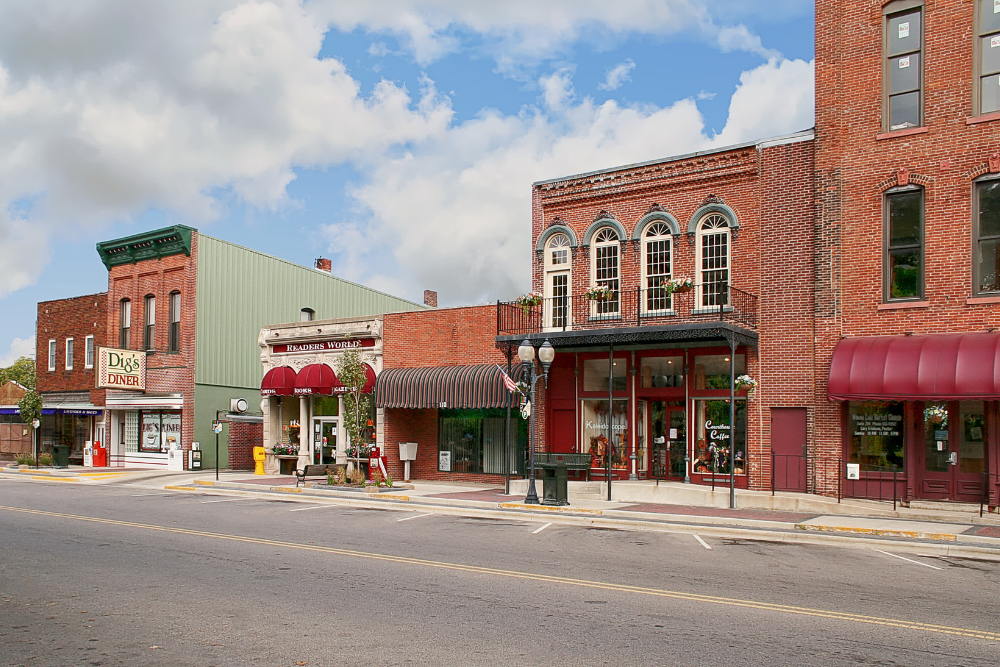
Radon forms naturally as uranium decays in soil and rock beneath the Earth’s surface. The gas rises through the ground and can enter buildings through foundation openings.
Small cracks in concrete slabs are common entry points. Gaps around pipes and utility lines also allow radon to enter. Spaces between floor joints, drains, and sump pumps may provide additional pathways for radon gas.
Once radon enters a building, it may become trapped inside rooms and hallways. Without proper ventilation, the gas can build up to levels that pose health risks. Buildings with ground-contact rooms or basement levels are often more vulnerable.
Many schools, offices, and commercial buildings in Missouri and Arkansas include basements or slab foundations, which can create pathways for radon entry if testing and mitigation are not performed.
Understanding how radon enters buildings helps facility managers identify areas where testing and mitigation are most important.
How Is Radon Testing Conducted in Schools and Commercial Buildings?
Radon testing is the first step in any radon mitigation plan. Testing helps determine whether radon levels exceed recommended safety limits.
Short-term radon tests are commonly used in schools and commercial buildings. These tests usually last between two and seven days. EPA-approved testing devices are placed in rooms that have direct contact with the ground.
Ground floor classrooms, offices, and frequently occupied areas are priority locations for testing. Devices measure radon concentration in the air during the test period.
After testing is complete, the results show the average radon level in picocuries per liter of air. The Environmental Protection Agency recommends action when radon levels reach four picocuries per liter or higher.
Schools and businesses in Missouri and Arkansas are encouraged to follow EPA testing recommendations, especially in ground-contact rooms and frequently occupied spaces.
Regular retesting is also important. Schools and commercial buildings should conduct follow-up testing every two to five years, or after major renovations. Changes to ventilation systems or building structure may affect radon levels.
What Are the Most Effective Radon Mitigation Techniques for Schools and Commercial Buildings?
Sub-slab depressurization is the most effective mitigation technique for many large buildings. This system uses a fan and piping to draw radon gas from beneath the building foundation.
The system creates negative pressure under the slab. This pressure pulls radon gas away from the building and vents it safely outside. Because the gas is released above the roofline, it disperses into the air without affecting occupants.
Sub-slab depressurization systems are widely used in schools and commercial buildings because they are reliable and can handle large spaces.
Improving building ventilation can help dilute indoor radon levels. Modern HVAC systems can increase the circulation of fresh air and reduce radon gas buildup.
Ventilation alone may not eliminate radon completely. However, when combined with other mitigation strategies, it can significantly improve indoor air quality.
Sealing cracks in foundations and floors also helps reduce radon entry. While sealing alone is not a full solution, it supports other mitigation systems by limiting pathways for radon to enter.
These mitigation systems are commonly used in schools, government buildings, and commercial facilities throughout Missouri and Arkansas.
How Do Radon-Resistant Construction Methods Help New Buildings?
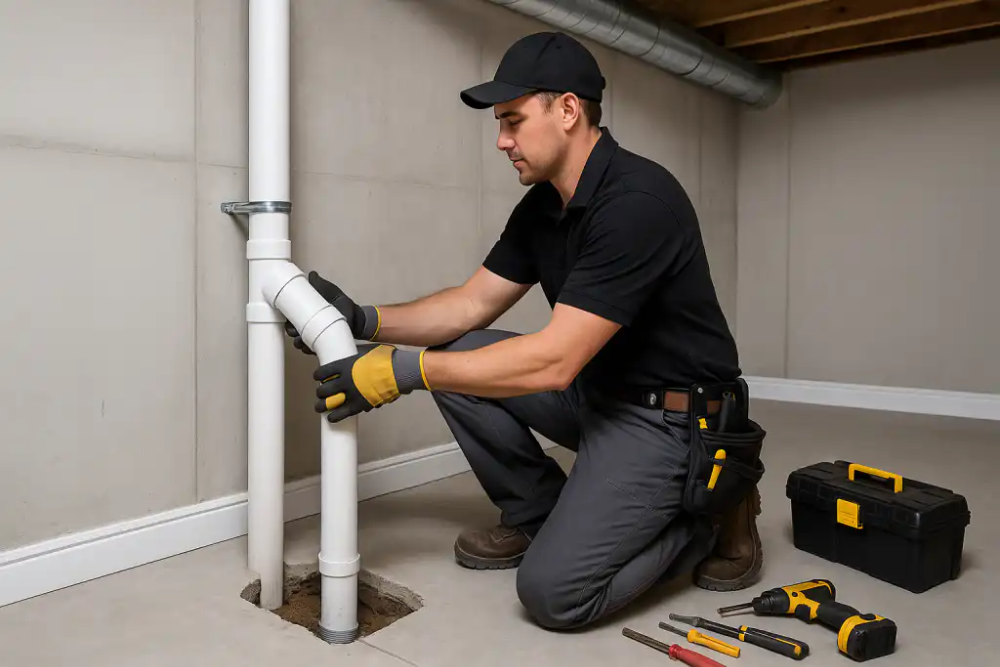
Radon-resistant construction is often used in new schools and commercial facilities. These construction techniques help prevent radon from entering during construction.
Builders may install plastic sheeting beneath foundation slabs to block soil gas. Sealed joints and specialized venting pipes also reduce the risk of radon entering the building.
These features make it easier to add mitigation systems later if testing shows elevated radon levels.
Many new construction projects in Missouri and Arkansas include radon-resistant features that help reduce future radon risks and improve indoor air quality.
What EPA Guidelines Support Radon Mitigation for Schools and Commercial Buildings?
The Environmental Protection Agency provides detailed guidance for managing radon in schools and commercial buildings. One important resource is the EPA document titled Managing Radon in Schools.
This guidance recommends creating a multidisciplinary radon management team. The team may include facility managers, school administrators, health officials, and environmental professionals.
EPA guidelines encourage routine testing in ground-contact rooms and occupied spaces. They also emphasize proper documentation of testing results and mitigation efforts.
Many states have adopted additional regulations that require radon testing in schools. These rules often align with national standards developed by organizations such as ANSI and AARST.
Schools and commercial facilities in Missouri and Arkansas frequently follow these national standards and EPA recommendations to maintain safe indoor environments.
Following these guidelines helps ensure that mitigation systems are installed correctly and that buildings remain compliant with health and safety regulations.
How Can Schools and Businesses Manage Radon Over the Long Term?
Radon mitigation systems require regular maintenance to remain effective. Monitoring and inspections help ensure that systems continue working properly.
Facility managers should check system fans several times each year. Fans are essential components that maintain the pressure needed to remove radon from beneath buildings.
Annual professional inspections provide another layer of protection. Certified radon specialists can evaluate system performance and recommend improvements when needed.
Continuous radon monitors can also be installed to track radon levels over time. These devices provide ongoing data that helps building managers respond quickly if levels rise.
Maintaining detailed records of testing, inspections, and mitigation work is important. Documentation supports regulatory compliance and demonstrates a commitment to safe indoor environments.
These practices are recommended for schools and commercial buildings across Missouri and Arkansas to ensure continued radon safety.
How Do Public Health Policies Support Radon Mitigation in Schools and Commercial Buildings?
Public health policies increasingly recognize radon as a major indoor air quality concern. Government agencies and health organizations encourage proactive radon management in public buildings.
Policies often include radon testing requirements, safety guidelines, and educational programs. These efforts help administrators understand the risks associated with radon exposure.
Risk communication is also an important part of public health strategies. Schools and businesses are encouraged to inform parents, employees, and building occupants about radon testing and mitigation efforts.
Clear communication builds trust and helps communities understand the importance of maintaining safe indoor air quality.
Many public health initiatives in Missouri and Arkansas promote radon awareness in schools and commercial buildings as part of broader indoor air quality programs.
How Can Funding and Collaboration Support Radon Mitigation Projects?
Radon mitigation projects sometimes require financial investment, especially in large buildings. Fortunately, funding opportunities are available to support these efforts.
The Environmental Protection Agency offers grant programs that help states develop radon awareness and mitigation initiatives. These programs may provide financial assistance for testing and remediation projects.
Collaboration between administrators, facility managers, and environmental professionals also improves project success. Training programs help maintenance staff understand how mitigation systems operate and how to maintain them.
Engaging parents, staff, and building contractors fosters a cooperative approach to radon safety. When everyone understands the risks and solutions, mitigation programs become more effective.
These collaborative efforts support safer indoor environments in schools and commercial facilities across Missouri and Arkansas.
How Can You Start Radon Mitigation for Schools and Commercial Buildings Today?
Radon mitigation for schools and commercial buildings is one of the most effective ways to protect indoor air quality and occupant health. Testing, mitigation systems, and long-term monitoring work together to keep radon levels under control.
When schools and businesses take action early, they reduce health risks and avoid potential liability. A well-planned radon management program demonstrates a strong commitment to safety and environmental responsibility.
If you want to protect your building and the people inside it, start with professional radon testing and evaluation. Experienced mitigation specialists can recommend the right solutions for your facility and ensure systems meet industry standards.
If your school or commercial facility is located in Missouri or Arkansas, professional radon specialists can help evaluate your building and design an effective mitigation system.
Contact us today to get more information about radon mitigation for schools and commercial buildings. Request a quote, schedule testing, or book your appointment now to create a safer indoor environment for everyone.


