Radon Myths Debunked: Separating Fact from Fiction

Radon myths are everywhere, and believing them could put your family’s health at serious risk. Radon is a naturally occurring radioactive gas that you cannot see, smell, or taste. It seeps into homes through cracks in foundations, gaps around pipes, and other openings where soil meets your building. Because you can’t detect it with your senses, many people assume it’s not a real problem. That assumption is one of the most dangerous pieces of radon fiction out there.
The truth is that radon is the second leading cause of lung cancer in the United States, right behind smoking. The EPA estimates that this silent killer is responsible for about 21,000 lung cancer deaths each year. Despite those alarming numbers, many homeowners still believe outdated or flat-out wrong information about radon and what it means for their families.
That is exactly why we need to talk about it. Misinformation keeps people from testing their homes. It keeps them from installing mitigation systems. And it keeps them from protecting the people they love most. When you separate fact from fiction, you gain the power to make smart, informed decisions about your indoor air quality.
In this article, we are going to walk through some of the most common radon myths and give you the debunked facts you need. We will cover why home testing matters, what the EPA guidelines actually say, how mitigation systems work, and why the lung cancer risk from indoor exposure is real for everyone, including non-smokers. Let’s clear up the confusion once and for all.
What Is Radon and Why Should You Care About This Radioactive Gas?
Radon is a radioactive gas that forms naturally when uranium in soil, rock, and water breaks down. It exists almost everywhere in small amounts. The problem starts when radon gets trapped inside buildings. Through a process called soil infiltration, radon gas moves up from the ground and enters your home through foundation cracks, construction joints, sump pits, and even tiny pores in concrete.
Once inside, radon has nowhere to go. It builds up in the air you breathe every single day. Over time, breathing in high levels of radon damages the cells lining your lungs. That damage can eventually lead to lung cancer. The health risks are real, well-documented, and backed by decades of scientific research from organizations like the EPA, the American Lung Association, and the American Cancer Society.
The scariest part? You will never know radon is in your home unless you test for it. That is why the EPA calls it a silent killer. It does its damage quietly, over months and years, without giving you any warning signs.
Does Every Home Really Need Radon Testing?

One of the biggest radon myths is the idea that only certain homes need testing. Some people think that new homes are safe. Others believe that if their neighbor’s home tested low, theirs will too. Both of these ideas are science fiction.
Radon levels can vary wildly from one house to the next, even on the same street. The geology under your specific home, the way your foundation was built, and even changes in weather and air pressure all affect how much radon enters your living space. A brand-new home can have dangerously high levels, while an older home next door tests perfectly fine.
The EPA recommends that every home be tested for radon, regardless of its age, location, or construction type. In Missouri, about 31% of homes have radon levels above the EPA’s recommended action level of 4 pCi/L. That is nearly one out of every three homes. Northern Arkansas counties also have significant areas where elevated radon levels are common.
Home testing is simple, affordable, and the only way to know what you are breathing. Short-term test kits can give you a snapshot in just a few days, while long-term tests provide a more accurate picture of your average indoor exposure over time. Either way, testing is the essential first step.
Can You Smell or See Radon in Your Home?
No. This is another dangerous myth. Radon is completely invisible and odorless. You cannot taste it either. There is no physical sensation that tells you radon is present. Unlike a gas leak that might smell like rotten eggs, radon gives you absolutely zero clues.
Some homeowners think they would “just know” if something was wrong with their air quality. But radon does not work that way. The only way to detect it is through proper home testing with a radon monitor or test kit. Relying on your senses to detect this radioactive gas is one of the most common and most harmful pieces of radon fiction.
Is Radon Only Dangerous for Smokers?
This myth has been around for a long time, and it is flat-out wrong. Yes, smokers who are also exposed to high radon levels face a much greater lung cancer risk. The combination of smoking and radon exposure is especially deadly. But radon is dangerous for everyone.
The danger to non-smokers is very real. Radon is actually the number one cause of lung cancer among people who have never smoked. The EPA and the American Cancer Society both confirm that thousands of non-smokers die from radon-related lung cancer every year. If you have never touched a cigarette in your life, you are still at risk from indoor exposure to elevated radon levels.
Children may be especially vulnerable because their lungs are still developing and they breathe faster than adults. Protecting your family means testing your home and taking action if levels are high, no matter what your smoking history looks like.
Do Radon Mitigation Systems Actually Work?
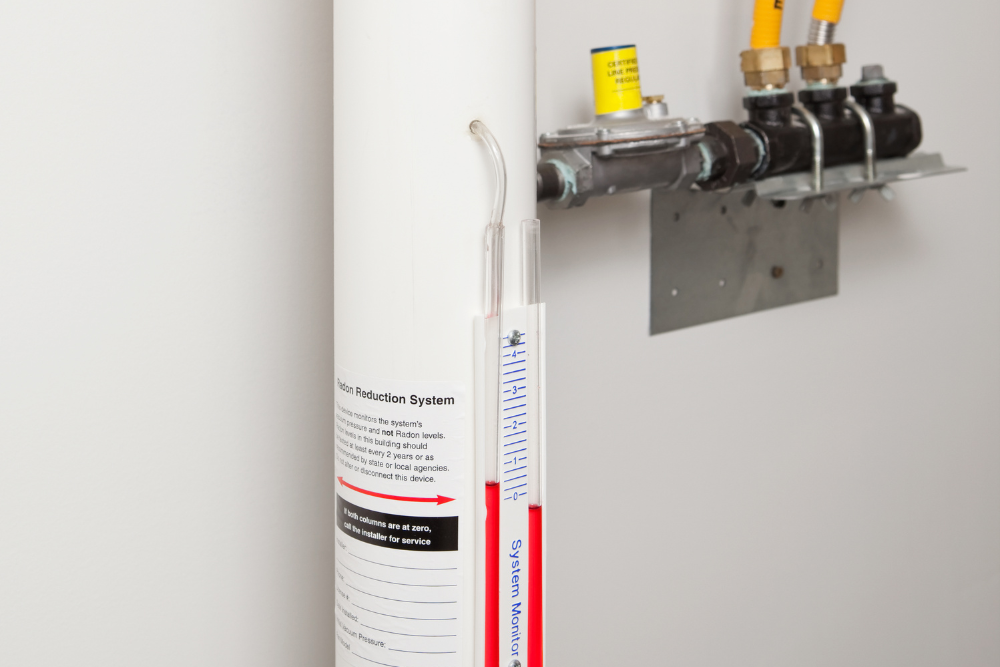
Absolutely. This is one area where the debunked facts are great news. Modern radon mitigation systems are highly effective at reducing indoor radon levels. Most systems can lower radon concentrations by up to 99%.
The most common type of mitigation system is called active soil depressurization. A certified technician installs a pipe through the foundation slab or into the sump pit area. A small fan attached to the pipe draws radon gas from beneath the home and vents it safely above the roofline, where it disperses harmlessly into the outdoor air.
These systems are quiet, energy-efficient, and built to run continuously. Once installed, they work around the clock to keep your indoor air clean. The installation process is usually completed in about a day, and the systems require very little maintenance over time.
Some homeowners worry that mitigation systems are too expensive or too complicated. In reality, the cost of a mitigation system is comparable to many common home repairs. When you weigh that cost against the lung cancer risk of long-term radon exposure, the investment makes a lot of sense.
What Do EPA Guidelines Say About Safe Radon Levels?
The EPA has set 4 pCi/L (picocuries per liter) as the action level for radon in homes. That means if your home tests at or above 4 pCi/L, the EPA recommends you take steps to reduce your radon levels. Some health organizations suggest considering action at even lower levels, around 2 pCi/L.
It is important to understand that there is no truly “safe” level of radon. Any amount of exposure to this radioactive gas carries some degree of health risk. The 4 pCi/L guideline is not a safety threshold. It is the point at which the EPA believes the risk is high enough that you should definitely act.
Following EPA guidelines is about protecting your family from unnecessary indoor exposure. Testing your home and comparing your results to these guidelines is the smartest thing you can do for your household’s health.
Will Opening Windows Get Rid of Radon?
This is a popular myth, and while there is a tiny grain of truth to it, the answer is basically no. Opening windows can temporarily dilute radon levels by bringing in fresh outdoor air. But the effect is small and completely unreliable.
As soon as you close those windows, radon levels climb right back up. You cannot keep your windows open year-round, especially during Missouri and Arkansas winters and summers. Weather, wind direction, and temperature all affect how well ventilation works on any given day. Relying on open windows as your radon solution is like putting a bandage on a broken pipe. It does not fix the actual problem.
The only proven, long-term solution for high radon levels is a properly designed and installed mitigation system. These systems address the source of the problem by pulling radon from beneath your home before it ever has a chance to build up inside.
Does Living on an Upper Floor Protect You from Radon?
Many people believe that radon is only a problem in basements. While it is true that radon levels are often highest on the lowest level of a home because of soil infiltration, radon gas can and does travel to upper floors. Air pressure differences, HVAC systems, and natural air movement inside your home can carry radon throughout the entire building.
If you live in a multi-story home, an apartment, or a condo above ground level, you are not automatically safe. Testing is still the only way to know your actual radon levels on any floor.
Is Your Family’s Health Worth the Risk of Believing Radon Fiction?

When it comes to radon, what you don’t know really can hurt you. The health risks from this silent killer are serious, proven, and preventable. Every radon myth that goes unchallenged is another family left unprotected.
Home testing takes just a few minutes to set up. Mitigation systems are fast, affordable, and effective. The science behind the lung cancer risk from radon exposure is supported by every major health organization in the country. There is simply no good reason to skip testing or to put off mitigation if your levels are high.
The Radon Company has been helping homeowners, businesses, and real estate professionals in Missouri and Arkansas since 2010. Our experienced team handles everything from testing to mitigation system installation, and most jobs are finished in about a day. We make the process easy, straightforward, and affordable.
Do not let radon myths keep you from protecting your family. Contact The Radon Company today to schedule a radon test or get a quote on a mitigation system. Call us at (417) 597-9662 or visit theradonco.com to get started. Your family’s health is too important to leave to chance.


