Accuracy, Reliability, and Finding Radon Testing Kits

Testing your home for radon is one of the simplest and most important things you can do for your family’s health. Radon is a colorless, odorless, radioactive gas that seeps into homes from the soil beneath them, and it is the second leading cause of lung cancer in the United States. The only way to know whether your home has a radon problem is to test for it. The good news is that testing is affordable, accessible, and straightforward. But before you pick up a kit at the hardware store or order one online, it helps to understand what you are buying, how accurate it actually is, and what your results really mean.
What Types of Radon Test Kits Are Available?
There are two main categories of home radon test kits: short-term and long-term. Each has its place depending on what you are trying to accomplish.
A short-term test kit is the most common option you will find at hardware stores and home improvement centers. These kits typically use a charcoal canister that you place in the lowest livable area of your home for anywhere from two to seven days. Once the exposure period is complete, you seal the canister and mail it to a certified laboratory for analysis. Results usually come back within a few days of the lab receiving your sample.
Short-term kits are useful when you need a quick answer, such as during a real estate transaction or when you simply want a baseline reading. They are easy to use and inexpensive, usually costing between fifteen and thirty dollars before the lab fee.
A long-term test kit works differently. These kits use alpha track detectors, small devices that record radon exposure over a period of ninety days to a year. Because radon levels fluctuate with the seasons, weather patterns, and how tightly your home is sealed, a long-term test gives a more accurate picture of what your household is actually exposed to over time.
If you are testing after a radon mitigation system has been installed, or if you want the most reliable data for a permanent residence, a long-term test is the better choice.
How Accurate Are Home Radon Test Kits?
This is the question most homeowners ask first, and the honest answer is that it depends on a few factors.
Certified home test kits, when used correctly and sent to an accredited laboratory, are reasonably accurate. The EPA and state health agencies recognize these kits as valid screening tools. However, accuracy is not just about the kit itself. It is also about how you use it.
Placement matters significantly. The kit should be placed in the lowest livable level of your home, which is the area where radon concentrations are highest. It should not be placed in a kitchen, bathroom, laundry room, or any area with high humidity or airflow. It should be at least twenty inches off the floor and away from exterior walls and windows.
Testing conditions also affect your results. During a short-term test, all doors and windows should remain closed as much as possible, and fans that draw outdoor air inside should not be running. This is called closed-house conditions, and it ensures the test reflects how radon accumulates when your home is naturally sealed.
Seasonal timing affects accuracy too. Radon levels tend to be higher in winter when homes are closed up, and lower in summer when ventilation is greater. A test conducted in July with open windows may give you a lower reading than the true annual average. If you are using a short-term test, winter or early spring tends to give you the most meaningful result.
Finally, a single short-term test is a screening tool, not a final verdict. If your result comes back elevated, the EPA recommends following up with a second short-term test or a long-term test before making any decisions about mitigation.
What Do Your Test Results Actually Mean?
Radon is measured in picocuries per liter of air, written as pCi/L. If you are wondering what a picocurie is, you can find a full explanation on our FAQ page, but the short version is that it is a unit used to measure radioactive decay.
The EPA recommends taking action if your radon levels test at 4 pCi/L or higher. At that level, the risk of long-term lung cancer exposure is considered unacceptable. Many radon professionals, including our team at The Radon Company, encourage homeowners to aim for levels below 2 pCi/L when possible. There is no level of radon that is entirely without risk, which is why testing and mitigation matter even in homes that fall just below the action threshold.
If your results come back below 2 pCi/L, your home is in good shape. Continue testing every two years to make sure levels stay low. If your results fall between 2 and 4 pCi/L, consider consulting a radon professional. If your results come back at 4 pCi/L or above, do not wait. A professionally installed radon mitigation system is the solution, and it is more affordable and faster than most homeowners expect.
What If Your Test Results Seem Too High or Too Low?
Sometimes homeowners get a result that surprises them, either much higher than they expected or suspiciously low. Before drawing conclusions from a single test, it is worth understanding why results can vary.
Radon levels inside a home are not static. They shift based on the season, the weather, how often windows are open, whether the HVAC system is running, and even small changes in soil conditions beneath the foundation. A short-term test captures a snapshot of conditions during those specific days, not the full picture of your annual exposure.
If your result seems unusually high, do not panic, but do not ignore it either. Run a second short-term test under the same closed-house conditions, or follow up with a long-term alpha track test to get a more stable average. If both tests come back elevated, that confirms you have a problem that needs professional attention.
If your result seems unusually low and you have reason to believe radon could be an issue in your area, consider the conditions during the test. Was it summer with windows open? Were there fans running? Did someone prop a door open during the testing window? Any of these can artificially deflate your reading. Retest under proper conditions before assuming you are in the clear.
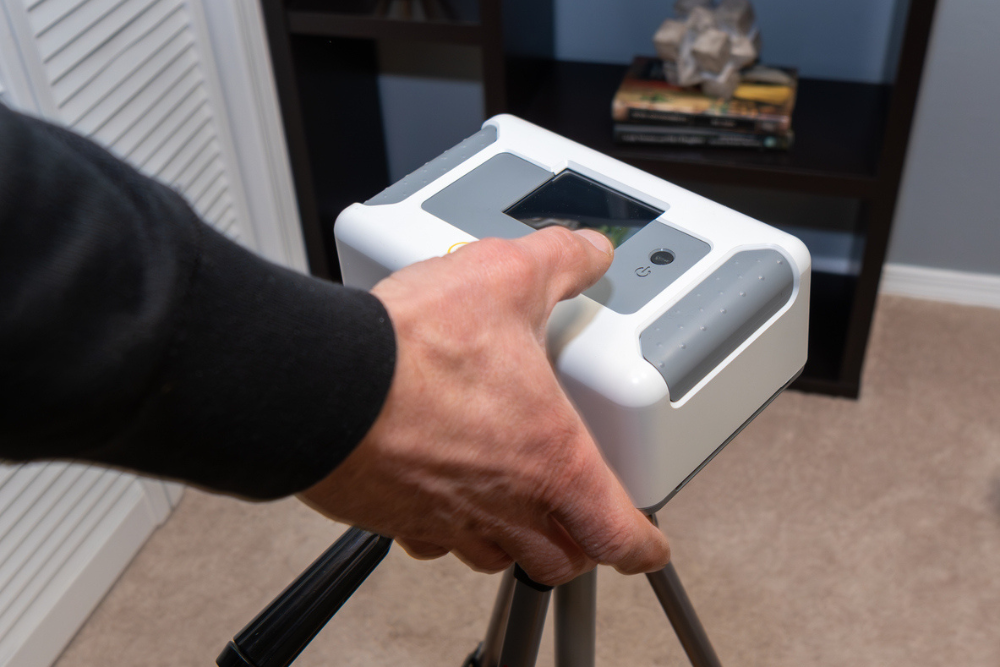
When results feel inconsistent or hard to interpret, a professional radon test using a continuous monitor removes the guesswork entirely. A continuous monitor records readings hour by hour over the testing period, which allows a trained professional to spot anomalies and give you a much more reliable picture of what is actually happening in your home.
Can You Test for Radon Yourself or Do You Need a Professional?
Both options are valid, but they serve different purposes.
A DIY test kit is a perfectly reasonable first step for any homeowner who wants to know their baseline radon levels. If you follow the instructions carefully, use a certified kit, and send it to an accredited lab, you will get a result you can act on. For general awareness and routine monitoring, home kits do the job.
Professional testing becomes the better choice in specific situations. If you are buying or selling a home, a certified professional test meets the standards required in real estate transactions and gives both parties a result that is defensible and documented. At The Radon Company, we offer professional pre-mitigation testing for $75 in Missouri and northern Arkansas. Because we are an affiliate of the Greater Springfield Board of Realtors, you do not even need to be at the property. Provide the CBS code and we handle everything from there.
Professional testing is also the right call if your DIY results were inconsistent, if your home has already had a mitigation system installed and you need to confirm it is working, or if you simply want the peace of mind that comes from a certified reading rather than a self-administered one.
How Often Should You Test Your Home for Radon?
Testing once and assuming you are done is one of the most common mistakes homeowners make. Radon levels change over time, and a result that was safe five years ago may not reflect what is happening in your home today.
The standard recommendation is to test every two years, even if your home has a mitigation system installed. Fans wear out. Soil conditions shift. Homes settle and develop new entry points. None of these changes announce themselves, which is why routine testing is the only reliable way to stay ahead of the problem.
If you have recently made significant changes to your home, such as finishing a basement, adding an addition, or completing a major renovation, test again regardless of when your last test was. Changes to the structure of your home can affect how radon moves through it.
After a mitigation system is installed, always test within twenty-four hours to confirm the system is performing as expected. This post-installation test is standard practice for any reputable radon professional, and it is something The Radon Company includes as part of every installation we complete.
Where Can You Get a Radon Test Kit?
Home radon test kits are widely available. You can find them at most hardware stores, home improvement centers, and online retailers. Your local or county health department may also offer them, sometimes at a reduced cost or even free of charge as part of public health programs.
When purchasing a kit, look for one that is certified by the National Radon Proficiency Program (NRPP) or the National Radon Safety Board (NRSB). These certifications mean the kit and the laboratory analyzing your results meet established accuracy standards. Avoid uncertified kits or novelty devices that promise instant readings without laboratory analysis.
Testing Is the Starting Point. What You Do Next Is What Matters.
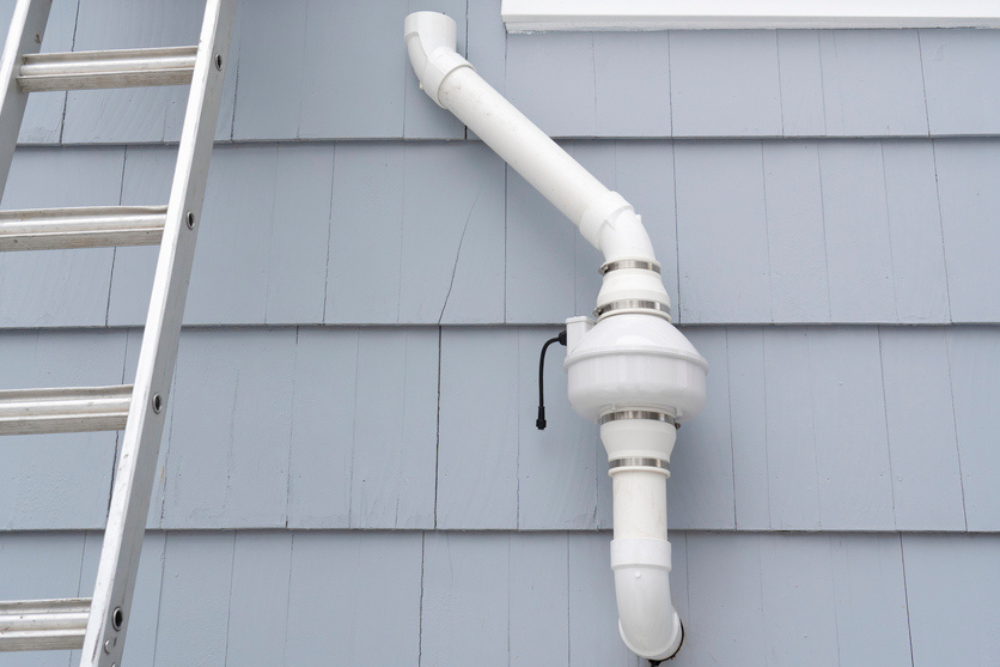
A radon test kit tells you whether you have a problem. What you do with that information determines whether your family is protected. If your results come back elevated, the path forward is clear. A properly designed and installed radon mitigation system will bring your levels down and keep them there.
At The Radon Company, we have been serving homeowners, businesses, and schools across Missouri and Arkansas since 2010. We test, we assess, we install, and we verify. If you have already tested your home and your levels are high, or if you are ready to find out where you stand, contact us today to schedule your professional test or get a quote on a mitigation system. Protecting your family starts with one test. We make everything after that easy.


