Why Are DIY Radon Mitigation Strategies Becoming Popular With Homeowners?
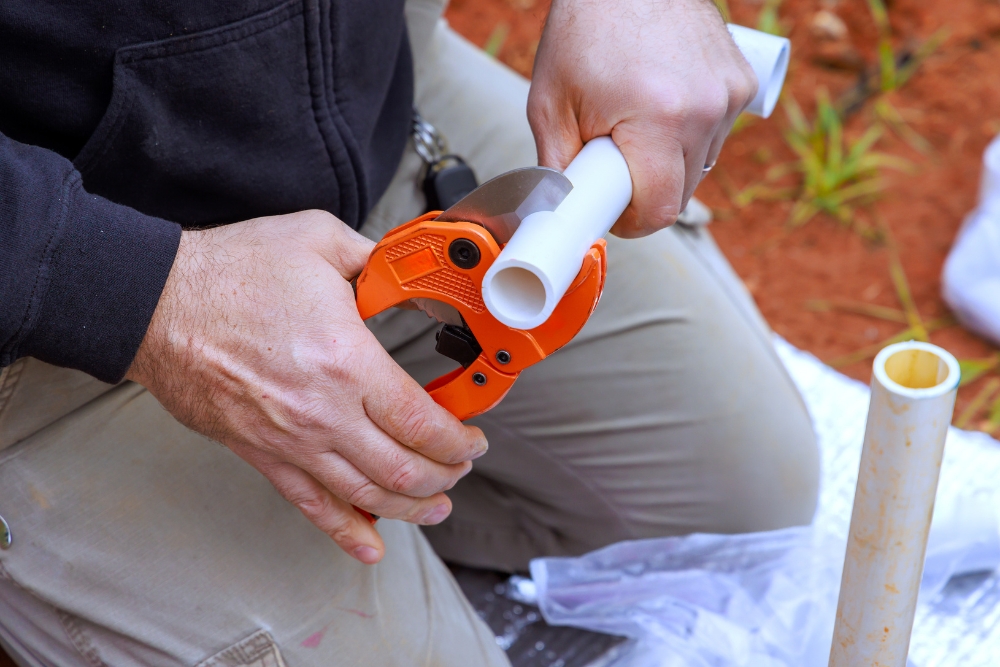
DIY radon mitigation strategies are becoming more common as homeowners look for ways to reduce radon levels without hiring professionals. Radon is an invisible gas that forms naturally in the soil and can enter homes through foundations. It has no smell and no color, which makes it difficult to detect without testing.
Radon is also the second leading cause of lung cancer after smoking. Many homeowners are surprised to learn that radon can build up in basements, crawl spaces, and ground-level rooms. Because gas can slowly accumulate indoors, testing and mitigation are important steps to protect family health.
This concern is especially important for homeowners in Missouri and Arkansas, where soil composition and rock formations can allow radon gas to move through the ground and enter homes. Many homes in these states have basements, crawl spaces, or slab foundations, which can create pathways for radon entry.
DIY radon mitigation strategies promise lower costs and greater control over the process. Many online guides show homeowners how to seal cracks, install vent pipes, or improve ventilation. These solutions can help reduce radon levels in some homes, but they also carry risks if done incorrectly.
In this guide, we will explore how radon enters homes, how testing works, and which DIY radon mitigation strategies homeowners commonly use. We will also discuss the effectiveness of these methods, the risks involved, and how professional radon mitigation compares to do-it-yourself solutions for homes in Missouri and Arkansas.
What Is Radon and How Does It Enter Homes?
Radon is a radioactive gas that forms when uranium breaks down in soil and rock. This natural process happens underground in many areas, including parts of Missouri and Arkansas, where certain geological formations can contribute to elevated radon levels. As the gas moves upward through the soil, it can find pathways into homes.
The most common entry points are cracks in foundation slabs and basement walls. Radon can also enter through gaps around pipes, floor drains, and sump pumps. Even small openings can allow the gas to seep inside.
Once radon enters a home, it may become trapped indoors. Modern homes are often tightly sealed to improve energy efficiency. While this helps with heating and cooling, it can also allow radon to build up in lower levels of the house.
Homes in Missouri and Arkansas often feature basements, crawl spaces, or slab foundations, all of which can allow radon gas to enter from the soil.
Because radon cannot be seen or smelled, testing is the only reliable way to know whether a home has elevated levels.
How Do Radon Testing Basics Work Before DIY Radon Mitigation Strategies?
Radon testing is the first step before attempting any DIY radon mitigation strategies. Testing shows whether radon levels inside the home exceed recommended safety limits.
Short-term radon tests are commonly used by homeowners. These tests usually last between three and seven days. A small testing device is placed in the lowest lived-in area of the home, often a basement or ground floor room.
During the testing period, the device measures radon levels in the air. After the test is complete, the device is sent to a lab for analysis. The results show the average radon level in picocuries per liter of air.
The Environmental Protection Agency recommends taking action when radon levels reach four picocuries per liter or higher. If levels exceed this limit, mitigation steps should be taken to reduce exposure.
Homeowners across Missouri and Arkansas are encouraged to test their homes regularly, especially if they live in areas where radon levels are known to vary.
Long-term tests can also yield more accurate readings. These tests measure radon levels over several months and provide a clearer picture of seasonal changes.
Which DIY Radon Mitigation Strategies Do Homeowners Use Most Often?
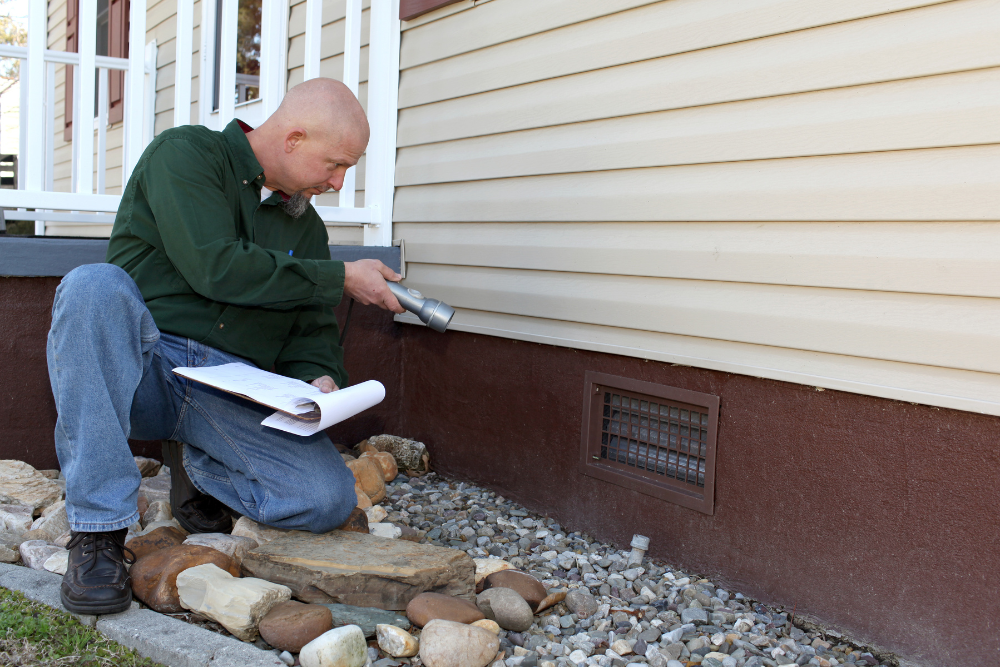
Many homeowners attempt DIY radon mitigation strategies after discovering elevated radon levels. These approaches aim to block radon from entering the home or remove it from the home.
Sealing cracks in foundations is one of the most common first steps. Homeowners often use caulk or sealant around floor joints, foundation cracks, and pipe openings. This helps reduce the number of entry points where radon gas can enter.
Sump pumps are another entry point for radon. Installing an airtight cover over the sump pit can reduce radon infiltration. Proper sealing helps prevent gas from escaping into the basement.
Some homeowners install vent pipes through the foundation slab to direct radon gas outdoors. This method attempts to move radon away from the home before it enters living areas.
Ventilation improvements may also help. Increasing airflow in basements and crawl spaces can dilute radon concentrations. Fans or heat recovery ventilators may assist with air circulation.
While these DIY radon mitigation strategies can reduce radon levels in some homes, they rarely provide complete protection on their own. Homes in Missouri and Arkansas with higher radon potential may require more advanced mitigation systems.
How Do Passive and Active DIY Radon Mitigation Systems Compare?
Passive radon systems rely on natural air movement to vent radon gas away from the home. These systems usually include a vent pipe installed beneath the foundation that runs through the house and exits above the roof.
The natural stack effect helps move radon gas upward through the pipe and out of the building. Passive systems are sometimes installed in new homes during construction.
Many newer homes in Missouri and Arkansas are built with radon-resistant construction features, including passive vent pipes that can later be upgraded to active systems if needed.
Active radon mitigation systems use a fan to create suction beneath the foundation. This method is called sub-slab depressurization. The fan pulls radon gas from the soil and vents it outside above the roofline.
Active systems are generally more effective than passive systems. They can reduce radon levels by a large margin when installed properly. Many professional mitigation systems use this method.
DIY versions of these systems can sometimes work, but they require careful installation. Improper pipe placement or fan sizing may reduce their effectiveness.
Can DIY Radon Mitigation Strategies Work for Long-Term Radon Control?
DIY radon mitigation strategies may work in certain homes with moderate radon levels. However, long-term success depends on several factors.
The type of foundation plays a major role. Homes with basements, slab foundations, or crawl spaces may require different mitigation approaches. Soil conditions also affect how radon moves beneath a home.
These factors vary across Missouri and Arkansas, where soil composition and building styles differ from region to region.
After installing any DIY system, it is important to test again. Post mitigation testing shows whether radon levels have actually been reduced.
Seasonal changes can also affect radon levels. Radon may increase during winter months when homes are sealed tightly, and ventilation is lower.
Continuous radon monitors are useful for long-term tracking. These devices measure radon levels throughout the year and alert homeowners if levels rise again.
Without ongoing monitoring, homeowners may not realize that radon levels have returned to unsafe levels.
What Risks Should Homeowners Consider Before DIY Radon Mitigation Strategies?
DIY radon mitigation strategies carry certain risks if installed incorrectly. Improper systems may fail to remove radon or even make the problem worse.
One common issue is incorrect placement of the vent pipe. If radon gas is not vented high enough above the roofline, it may reenter the home through windows or attic vents.
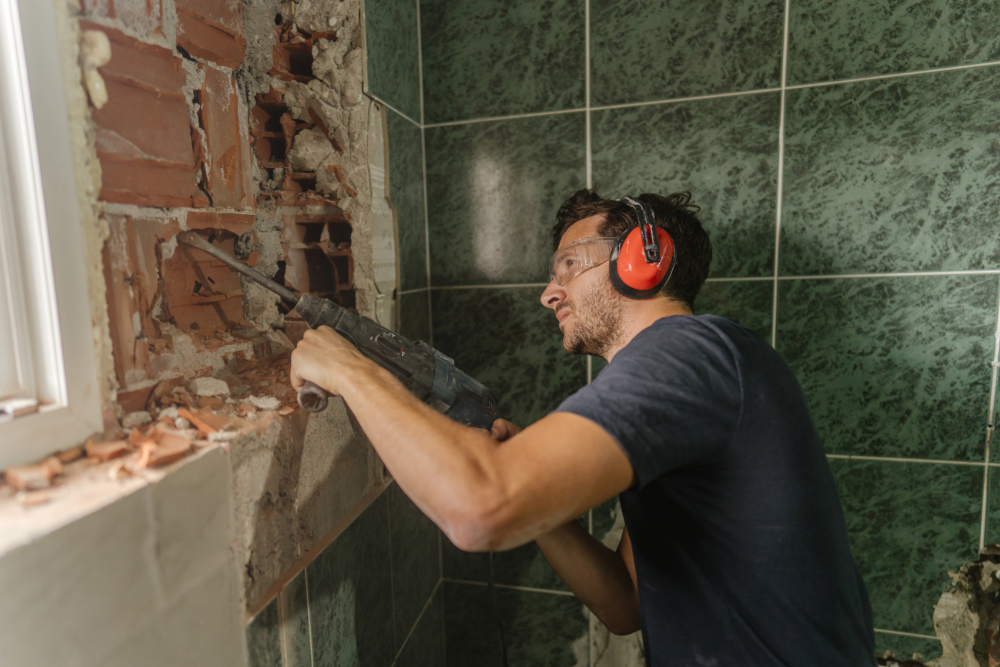
Drilling through foundation slabs also requires care. Poor drilling techniques can damage the structure or create additional entry points for radon.
Another risk involves airflow problems. If the system does not create enough suction beneath the slab, radon gas may continue to enter the home.
Safety precautions are also important during installation. Homeowners should use protective equipment when drilling concrete or working with ventilation systems.
For these reasons, many experts recommend professional evaluation before attempting complex mitigation systems, especially in areas of Missouri and Arkansas where radon levels may be higher.
Are DIY Radon Mitigation Strategies More Cost-Effective Than Professional Systems?
Cost is one of the main reasons homeowners explore DIY radon mitigation strategies. Do-it-yourself systems can cost a few hundred dollars, depending on the materials used.
Basic sealing supplies and ventilation improvements may cost relatively little. A more advanced DIY sub slab depressurization system may require piping, a radon fan, and other components.
Professional radon mitigation systems usually cost more because they include expert design, installation, and testing. Certified professionals evaluate the home and install systems that meet building codes.
Radon mitigation professionals in Missouri and Arkansas are familiar with regional soil conditions and construction styles, which can help ensure the system is designed correctly.
While professional systems have higher upfront costs, they often provide more reliable results. Many also include warranties and follow-up testing.
Homeowners should weigh the cost savings of DIY systems against the potential risks of ineffective mitigation.
How Do Professional Radon Mitigation Systems Compare to DIY Radon Mitigation Strategies?
Professional radon mitigation systems are installed by certified specialists who understand building design and soil conditions. These experts evaluate the home and determine the most effective mitigation approach.
Professionals often install active sub-slab depressurization systems that provide strong and consistent radon removal. Their systems are designed to meet EPA guidelines and local building codes.
Professional installation also reduces the chance of mistakes. Proper pipe placement, fan sizing, and sealing techniques improve the effectiveness of the system.
DIY radon mitigation strategies offer savings and flexibility, but they often require trial and error. Some homeowners may need multiple attempts before achieving safe radon levels.
For homes in Missouri and Arkansas with high radon levels or complex foundations, professional mitigation is usually the safest option.
How Do EPA Guidelines Support Safe Radon Mitigation Strategies?
The Environmental Protection Agency provides guidance for radon testing and mitigation. The agency recommends taking action when indoor radon levels reach four picocuries per liter or higher.
EPA guidelines also encourage regular testing after mitigation systems are installed. Follow-up testing confirms that radon levels have been successfully reduced.
Building codes in many areas include radon-resistant construction requirements for new homes. Some communities in Missouri and Arkansas encourage or require radon-resistant construction techniques to reduce future radon risks.
Homeowners should check local regulations before installing DIY radon mitigation systems. Compliance with building codes helps ensure that mitigation systems operate safely.
Following EPA recommendations helps homeowners protect their families while maintaining safe indoor air quality.
Should You Try DIY Radon Mitigation Strategies or Contact a Professional Today?
DIY radon mitigation strategies can help some homeowners reduce radon levels, especially when the problem is mild and the home structure is simple. Sealing entry points and improving ventilation may provide partial improvements.
However, radon problems can be complex. Soil conditions, foundation design, and airflow patterns all affect how radon enters and moves through a home.
Professional radon mitigation specialists have the tools and training to diagnose these issues and install reliable systems. Their solutions often reduce radon levels more effectively and with less guesswork.
If you suspect elevated radon levels in your home in Missouri or Arkansas, start by testing right away. After testing, consider speaking with a radon professional to evaluate your options.
Contact us today to get more information about radon testing and mitigation solutions. Request a quote, schedule a radon test, or book your appointment now to create a safer and healthier home for your family.


