Radon and Pets: What You Need to Know About Your Furry Friends’ Safety

Radon safety is just as important for pets’ health as it is for humans. Many people focus on their own safety but forget that their furry friends are also breathing the same air every day. Indoor exposure to radon can affect dogs and cats even faster because they are often closer to the ground, where radon builds up.
Pets spend more time inside the home, especially in areas like basements or lower floors. This makes radon safety a real concern for pet owners. Furry friends rely on us to keep their environment safe, and radon is a hidden danger that cannot be seen or smelled.
In this article, we will explain how radon poisoning can impact a pet’s health and what signs to watch for. We will also talk about dogs’ radon effects, cats lung cancer risks, and why basement radon is especially dangerous. You will learn how indoor exposure affects home air quality and what EPA radon levels mean for your home.
We will also guide you on how to protect your pets with radon mitigation and share insights on veterinary radon concerns. By the end, you will know how to keep your home safer for both you and your furry friends.
How does radon safety affect pets’ health at home?
Radon safety plays a big role in pets’ health because animals breathe in the same indoor air as their owners. When radon enters a home, it spreads through the air and settles in enclosed spaces.
Pets often lie on floors or spend time in basements. These are the areas where radon levels can be higher. This means pets may face more indoor exposure than humans.
Over time, this exposure can lead to serious health issues. Radon poisoning does not happen overnight, but long-term exposure increases risks. Pets may develop breathing problems or other illnesses without clear warning signs.
Keeping radon levels low is key to protecting your furry friends and improving overall home air quality.
What Is Radon Poisoning And How Does It Impact Pet Respiratory Risks?
Radon poisoning happens when radon gas builds up in the body after long periods of indoor exposure. This gas releases tiny radioactive particles that damage lung tissue.
Pet respiratory risks increase when animals breathe in these particles daily. Dogs and cats have smaller lungs than humans, which can make them more sensitive to air quality issues.
Symptoms are often hard to spot at first. Pets may cough more, seem tired, or have trouble breathing. These signs can be mistaken for other conditions.
Understanding radon poisoning helps pet owners act early. It encourages testing and prevention before serious problems develop.
What Are Dogs’ Radon Effects And Why Should Owners Care?
Dogs’ radon effects can vary based on the level of exposure and how long they have been exposed. Dogs often spend time lying on floors where radon gas is more concentrated.
This puts them at higher risk of inhaling harmful particles. Over time, this can affect their lungs and overall health.
Some dogs may show signs like low energy, coughing, or changes in breathing. These symptoms may develop slowly, making them easy to miss.
Owners should care because dogs cannot tell us when something is wrong. Monitoring home air quality and radon safety helps protect them from long-term harm.
Can cats’ lung cancer be linked to radon exposure?
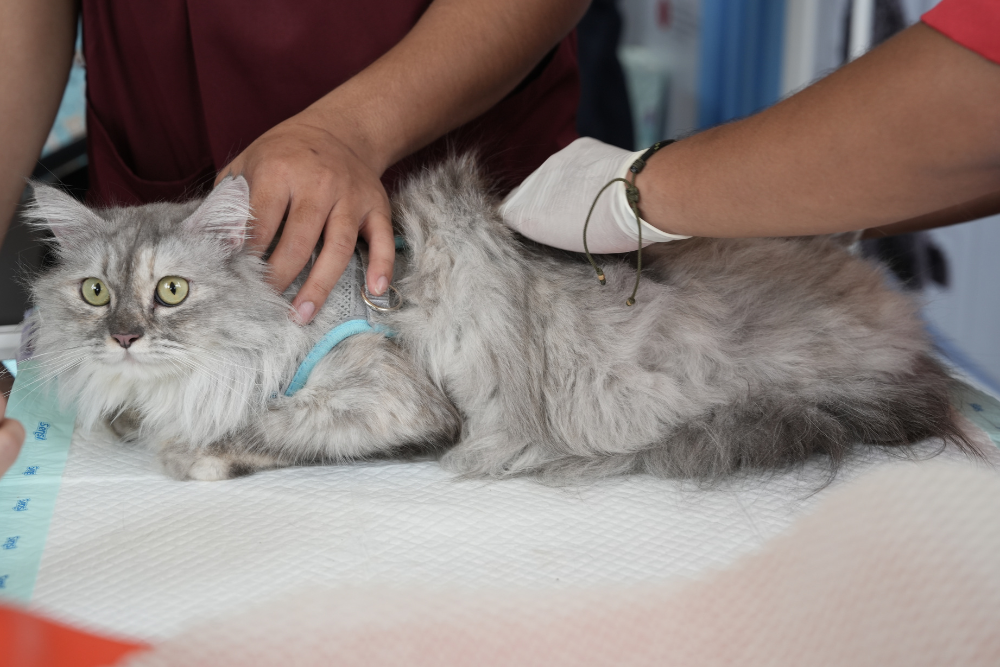
Cats’ lung cancer has been linked to environmental factors, including radon exposure. Cats groom themselves often, which may increase their intake of harmful particles.
When radon particles settle on fur, cats can ingest them during grooming. This adds another layer of risk beyond breathing.
Indoor exposure to radon may raise the chances of lung issues over time. While not all cases are caused by radon, it is a known risk factor.
Keeping radon levels low helps reduce the risk of cancer and supports better pet health overall.
Why Is Basement Radon A Bigger Risk For Furry Friends?
Basement radon is a major concern because radon gas enters homes from the ground below. Basements are the first place it collects.
Pets often spend time in basements, especially in homes where these areas are used as living or play spaces. This increases their indoor exposure.
Radon levels are usually higher closer to the ground. Since pets are smaller and closer to the floor, they are more exposed.
Testing basement radon levels is one of the best ways to protect your furry friends and improve home air quality.
How Do Epa Radon Levels Help Protect Pets Health?
EPA radon levels provide a guideline for what is considered safe in a home. The EPA recommends action when levels reach 4 picocuries per liter or higher.
These levels are designed to protect human health, but they also apply to pets. Since pets may be more sensitive, even lower levels can be a concern.
Testing your home helps you understand where your radon levels stand. This allows you to take action before it becomes a serious issue.
Following EPA radon levels is a simple way to improve radon safety for both people and animals.
How Does Radon Affect Home Air Quality And Indoor Exposure?
Radon has a direct impact on home air quality. When it builds up indoors, it reduces the safety of the air you and your pets breathe.
Indoor exposure happens when radon is trapped inside the home. This is more common in tightly sealed houses where airflow is limited.
Poor ventilation can make the problem worse. Without proper airflow, radon levels can rise quickly.
Improving home air quality through testing and ventilation is key to reducing risks for your furry friends.
What Are Veterinary Radon Concerns For Pet Owners?
Veterinary radon concerns are growing as more research shows the link between radon exposure and pet health issues. Vets are becoming more aware of environmental risks in homes.
They may ask about air quality when pets show unexplained respiratory problems. Radon exposure is one factor that can be considered.
While not all vets test for radon directly, they recognize its impact on long-term health. This makes awareness even more important for pet owners.
Understanding these concerns helps you take steps to protect your pets before problems arise.
How Can Radon Mitigation Improve Pet Cancer Prevention?
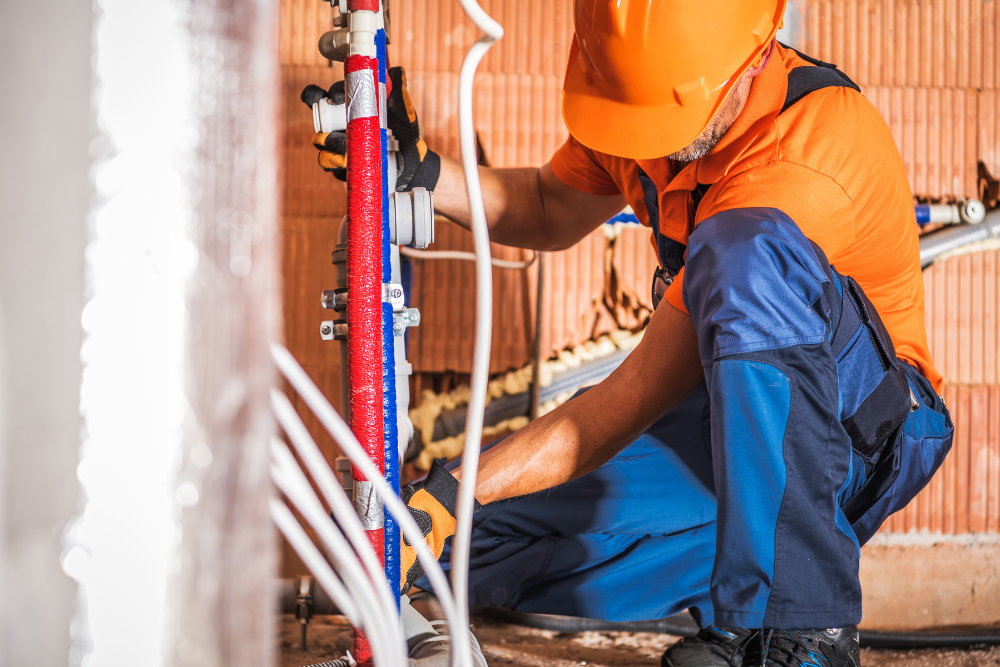
Radon mitigation is one of the most effective ways to reduce radon levels in a home. It involves systems that remove radon gas from indoor spaces.
Lowering radon levels supports pet cancer prevention by reducing long-term exposure. This helps protect both pets and humans from serious health risks.
Mitigation systems are often simple to install and can quickly improve home air quality. Once installed, they provide ongoing protection.
Taking action early can make a big difference in your pet’s health and lifespan.
How Can You Improve Radon Safety For Your Furry Friends Today?
Radon safety starts with awareness and action. Testing your home is the first step to understanding your risk.
If radon levels are high, installing a mitigation system can protect your pets and improve indoor exposure conditions. Regular testing ensures that levels stay safe over time.
Your furry friends depend on you to create a safe environment. Small steps can lead to big improvements in their health and well-being.
If you want to protect your pets and improve your home air quality, contact us today. Get more information, request a quote, or book your appointment now to ensure your home is safe for every member of your family, including your furry friends.


